


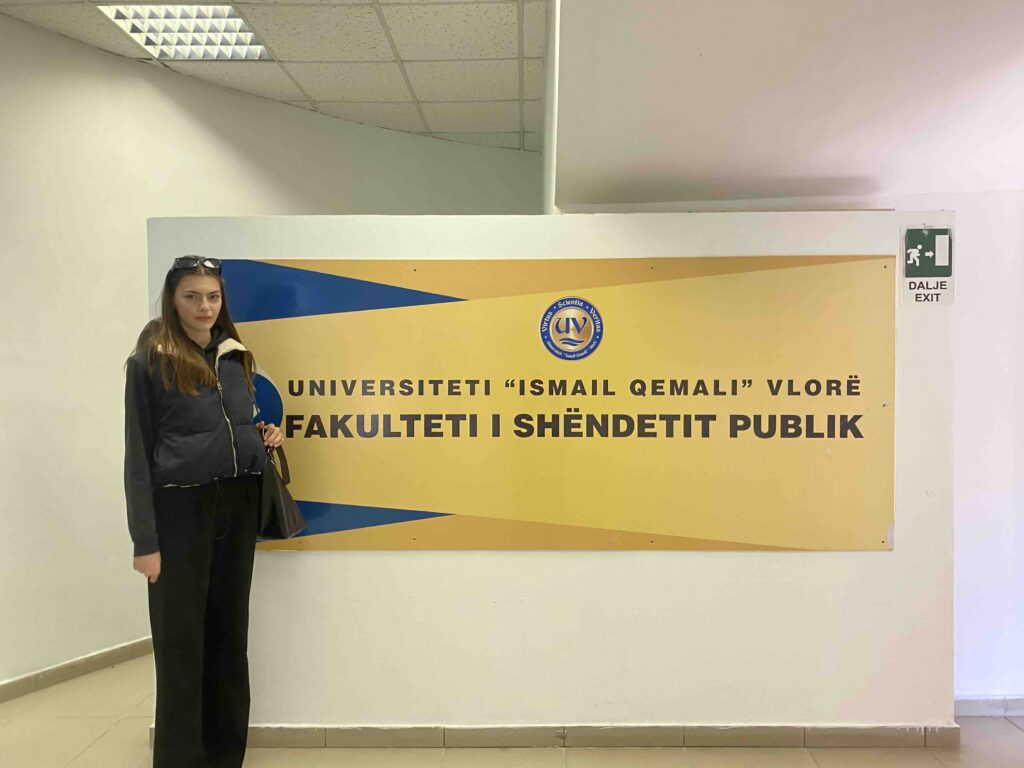
We had the great pleasure of speaking with Katarina Šarenac, a first-year Nursing student at the ICEPS in Kraljevo, following the completion of her Erasmus+ student mobility in Albania at the University of Vlora “Ismail Qemali” The mobility included a physical stay at the partner institution, as well as an additional virtual component of classes led by Prof. Dr. Enkeleint Mechili, which represented the final phase of the mobility.
Katarina emphasized that her motivation for applying to this mobility program stemmed from her desire to gain insight into how healthcare systems function in other countries within the region.
“I wanted to see how healthcare systems actually operate in other countries. Albania attracted me because it is also a Balkan country, and I was curious to learn how their healthcare system functions,” Katarina explained.
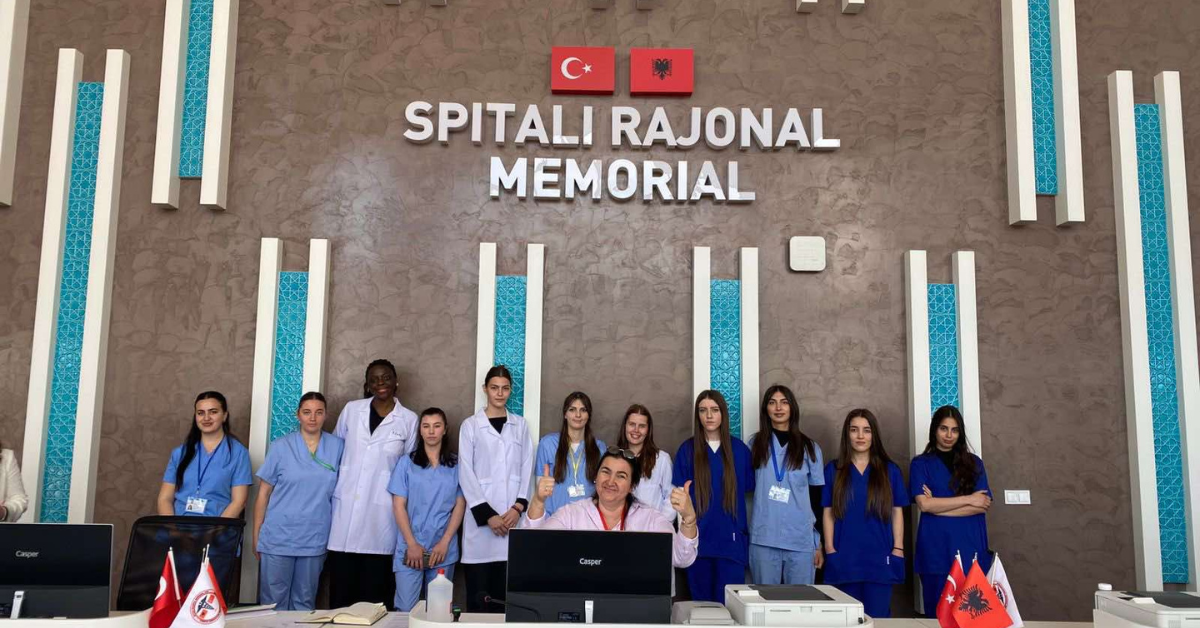
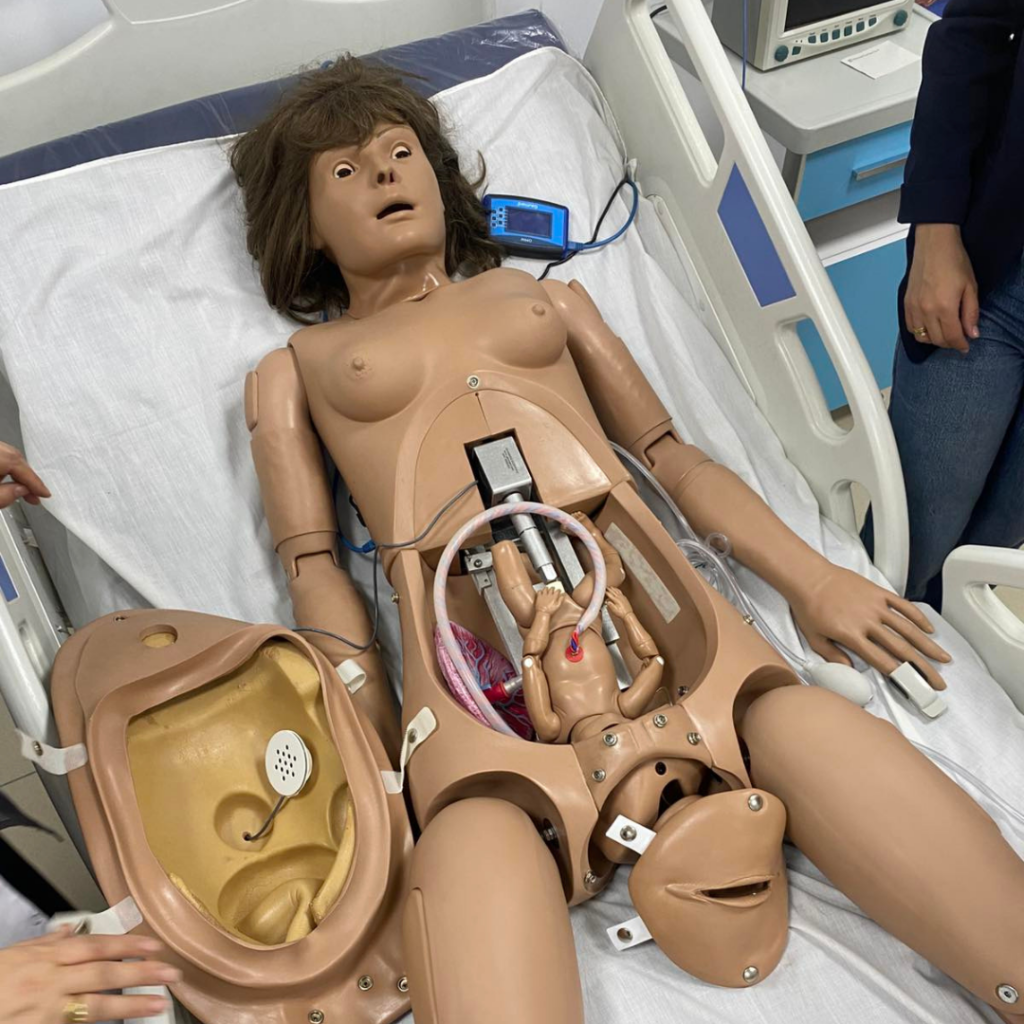
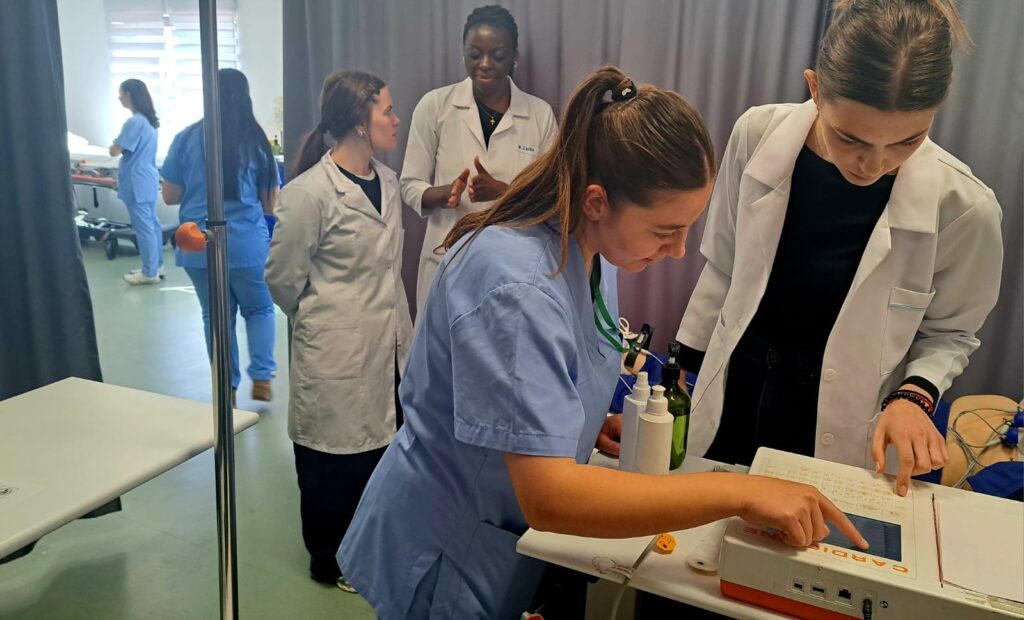
During her stay at the host institution, she attended lectures in the field of public health and related disciplines, along with demonstration visits to the Turkish-Albanian Memorial Hospital in Fier (Spitali Rajonal Memorial Fier). What left the strongest impression on her was the relationship she developed with professors and fellow students.
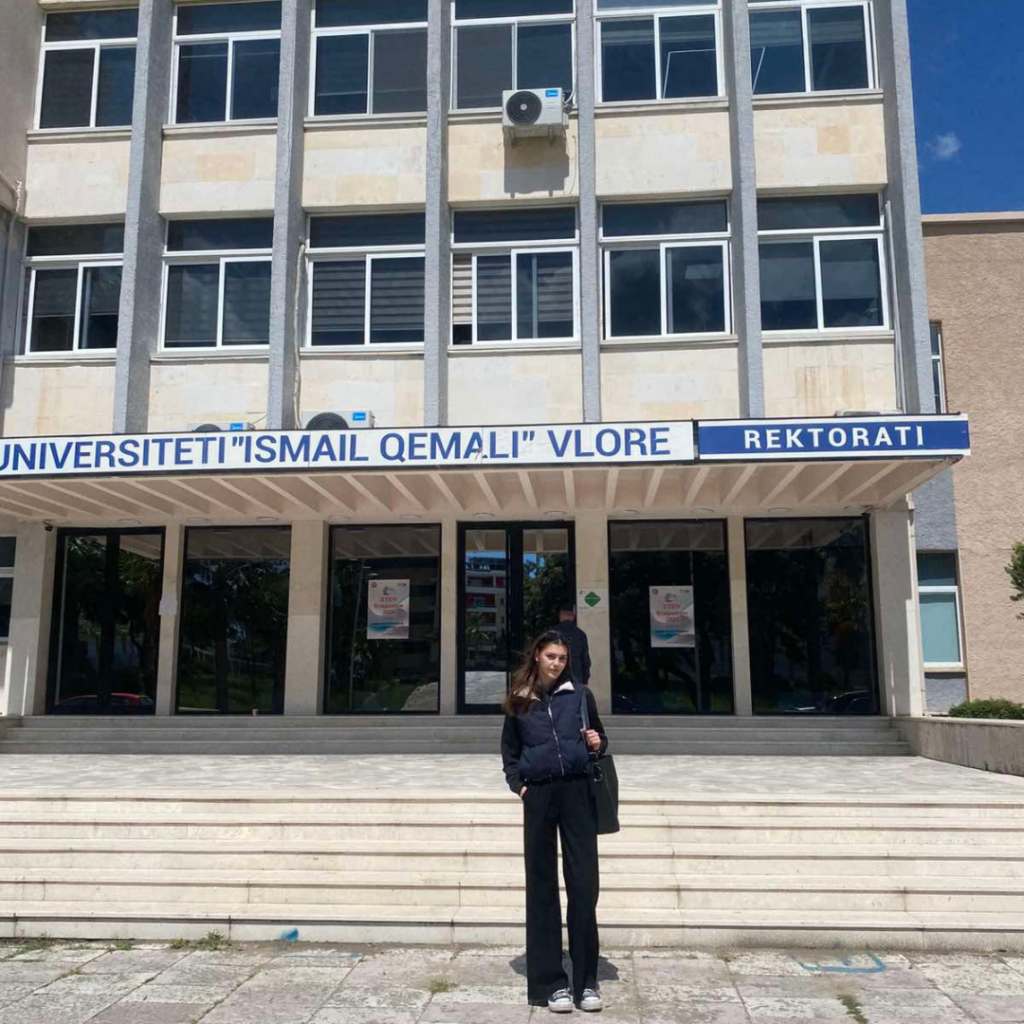
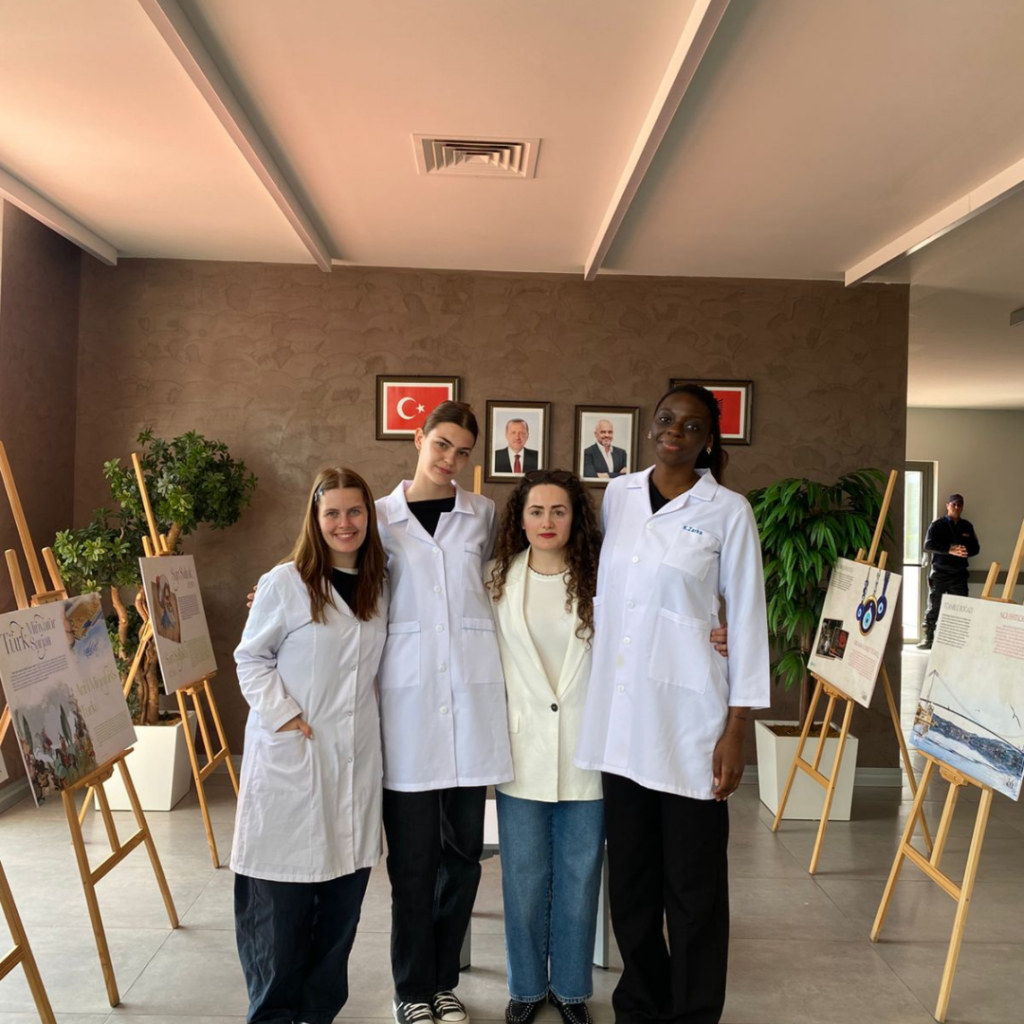
“On the very first day, I met the entire teaching staff, and we all went for coffee together. They were incredibly welcoming and kind. They explained everything to me – how the university functions, who would be teaching me, and when we would visit the hospital. I truly felt comfortable and accepted,” she said.
Katarina particularly highlighted the importance of the individualized approach taken by the teaching staff, which enabled her to effectively acquire knowledge and actively participate in classes. During the mobility, she also had the opportunity to work with students from different countries, including colleagues from Norway, and to form friendships with Albanian students with whom she remains in contact today.
During the visit to the memorial hospital, she became familiar with the work of various departments, including pathology and cardiology, as well as procedures such as ECG examinations and blood sampling.
“The students from Albania showed me around the entire hospital and all of its departments. I met so many wonderful people, and we are still in touch. It was truly a beautiful experience for me, and I would love to repeat it,” Katarina added.
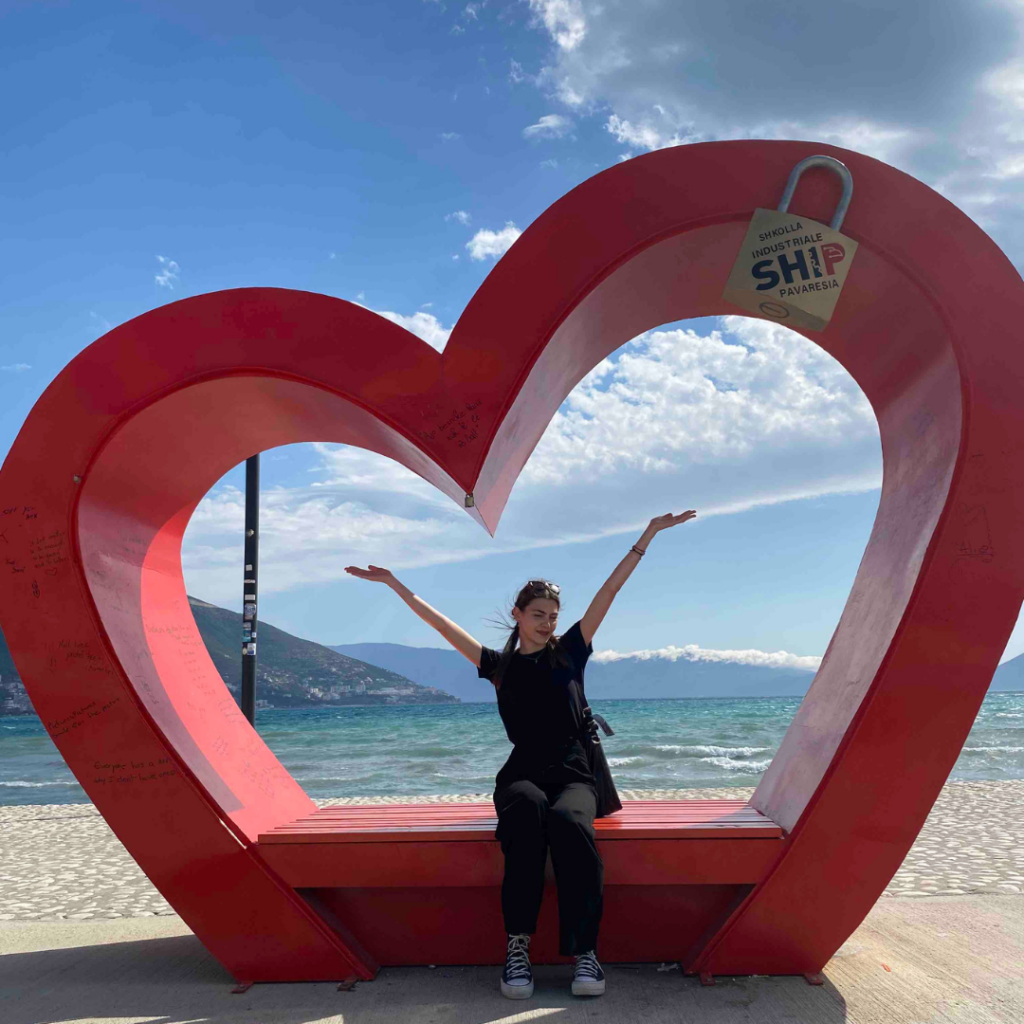
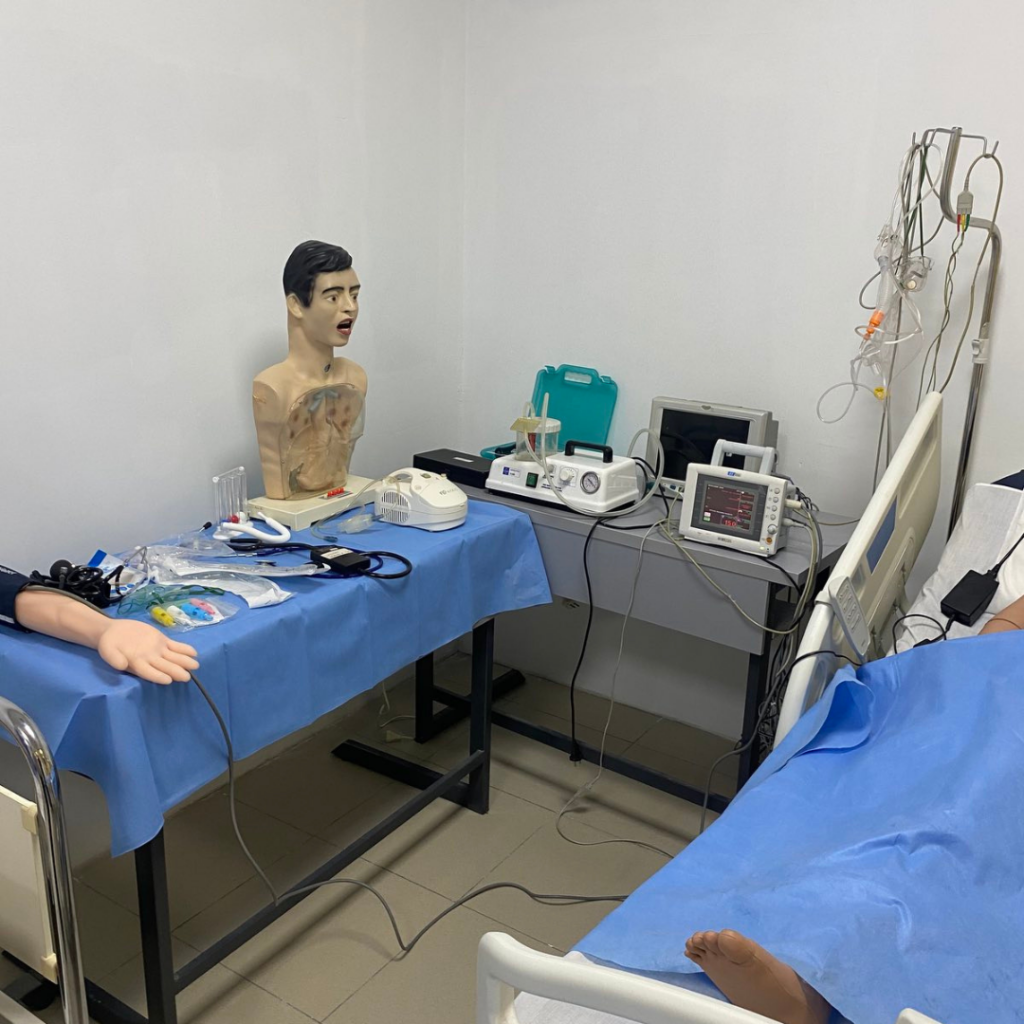
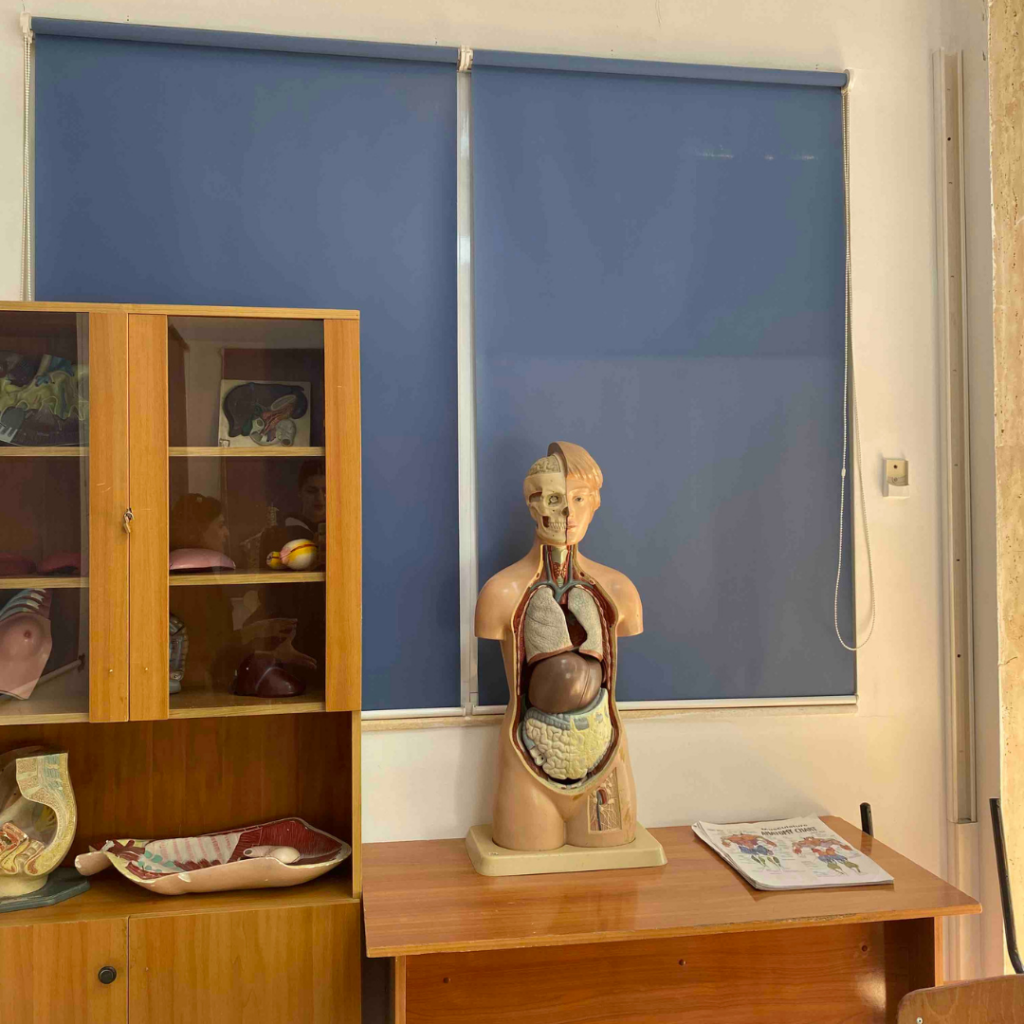
Throughout our conversation, we also discussed the differences between the educational and healthcare systems in Albania and Serbia. Katarina noted that Albania demonstrates a higher level of digitalization and greater use of computers in both teaching and administrative processes.
As she emphasized, the mobility had a significant impact on her personal development as well.
“Curiosity, responsibility, and knowledge – these are the things I brought back with me. This experience inspired an even stronger desire to apply for new Erasmus+ mobilities,” Katarina pointed out.
In addition to academic and professional development, the mobility also contributed to improving her English language skills, independence, and self-confidence.
Based on Katarina’s impressions, we can conclude that the Erasmus+ mobility in Albania fully achieved its objectives – contributing to the development of professional competencies, strengthening international cooperation, and supporting the student’s personal growth. Experiences such as this provide additional motivation for our students to engage in international mobility programs.
We will continue to build and support opportunities like these for our students, firmly believing that international experiences represent an important step toward higher-quality education.

Funded by the European Union. Views and opinions expressed are however those of the author(s) only and do not necessarily reflect those of the European Union or the National Agency. Neither the European Union nor National Agency can be held responsible for them.
[SRB] Finansirano sredstvima Evropske unije. Izražena stanovišta predstavljaju isključivo stanovišta autora i ne odražavaju nužno stavove Evropske unije ili Fondacije Tempus. Ni pod kojim uslovima se Evropska unija ni davalac namenskih bespovratnih sredstava ne mogu smatrati odgovornima za njihovu sadržinu.