



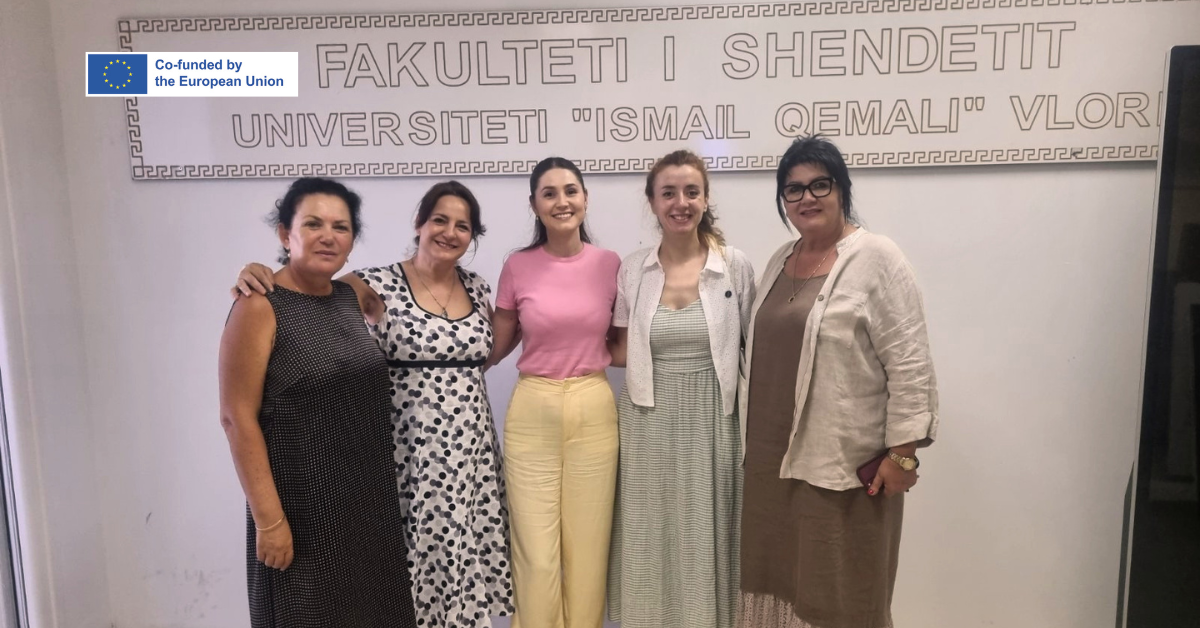
As part of the Erasmus+ programme, our colleague Tamara Milovanović, International Mobility Assistant, visited Ismail Qemali University of Vlorë, where she toured the Faculty of Health Sciences and took part in an evaluation of the cooperation established to date between the University and our College of Applied Studies.
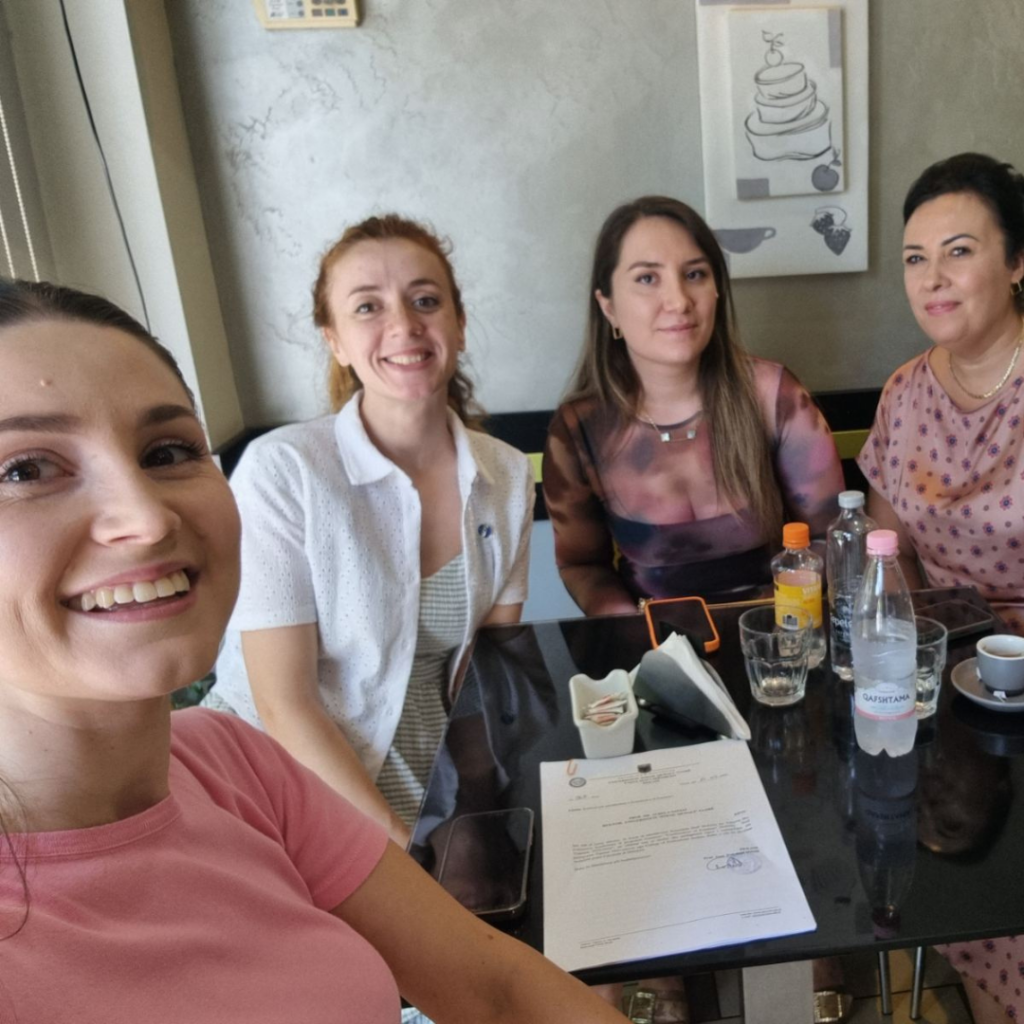
During the visit, a meeting was held with the Vice-Rector for International Relations at Ismail Qemali University of Vlorë, Prof. Dr Enkelejt Mëhilli. The participants reviewed the results of the three-year KA171 mobility project, which is due to conclude by the end of July 2026. Particular attention was devoted to assessing the outcomes achieved, the experience gained during project implementation, its strengths, as well as the challenges encountered and areas with potential for further improvement. The discussion also addressed the continued development of cooperation between the two institutions, opportunities to implement new joint projects, and the organisation of future student and staff mobilities. The completion of this project is particularly significant for ICEPS, as it was the first KA171 mobility project implemented by our College.
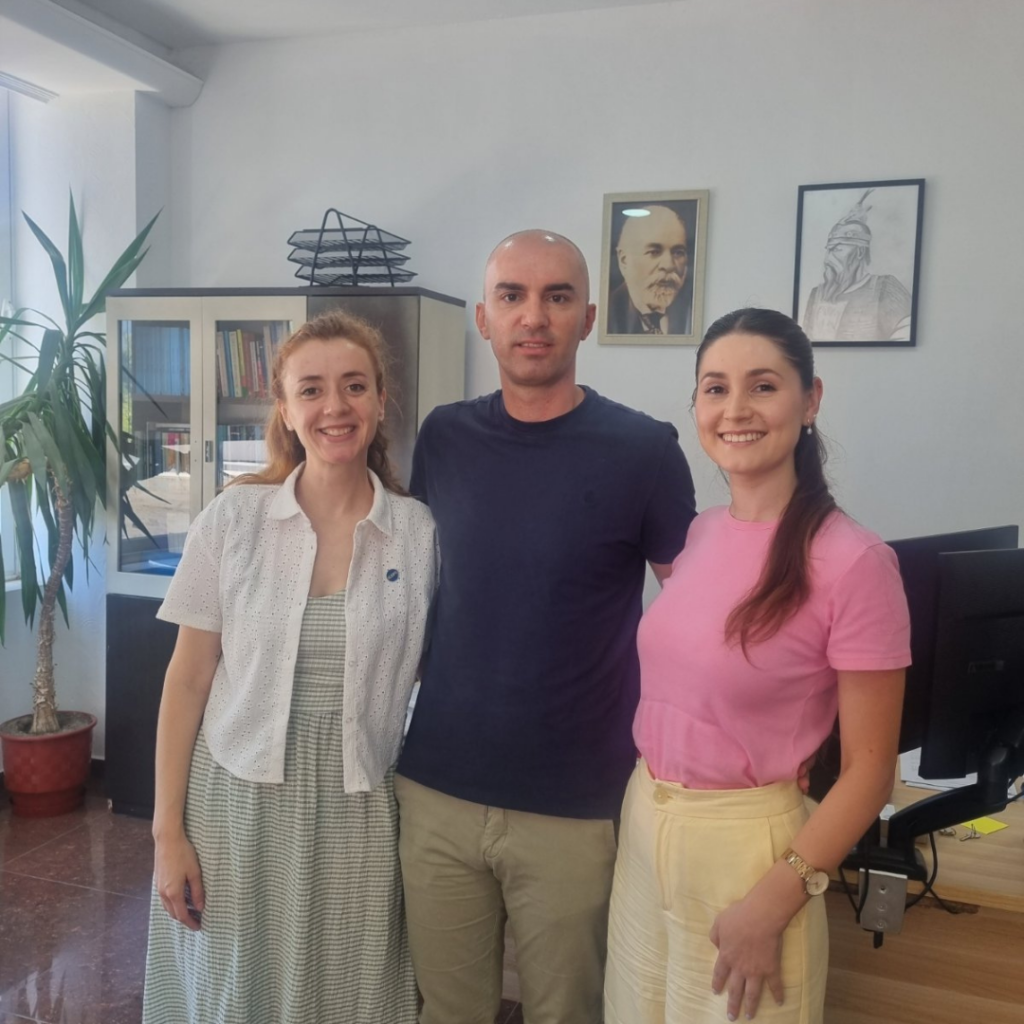
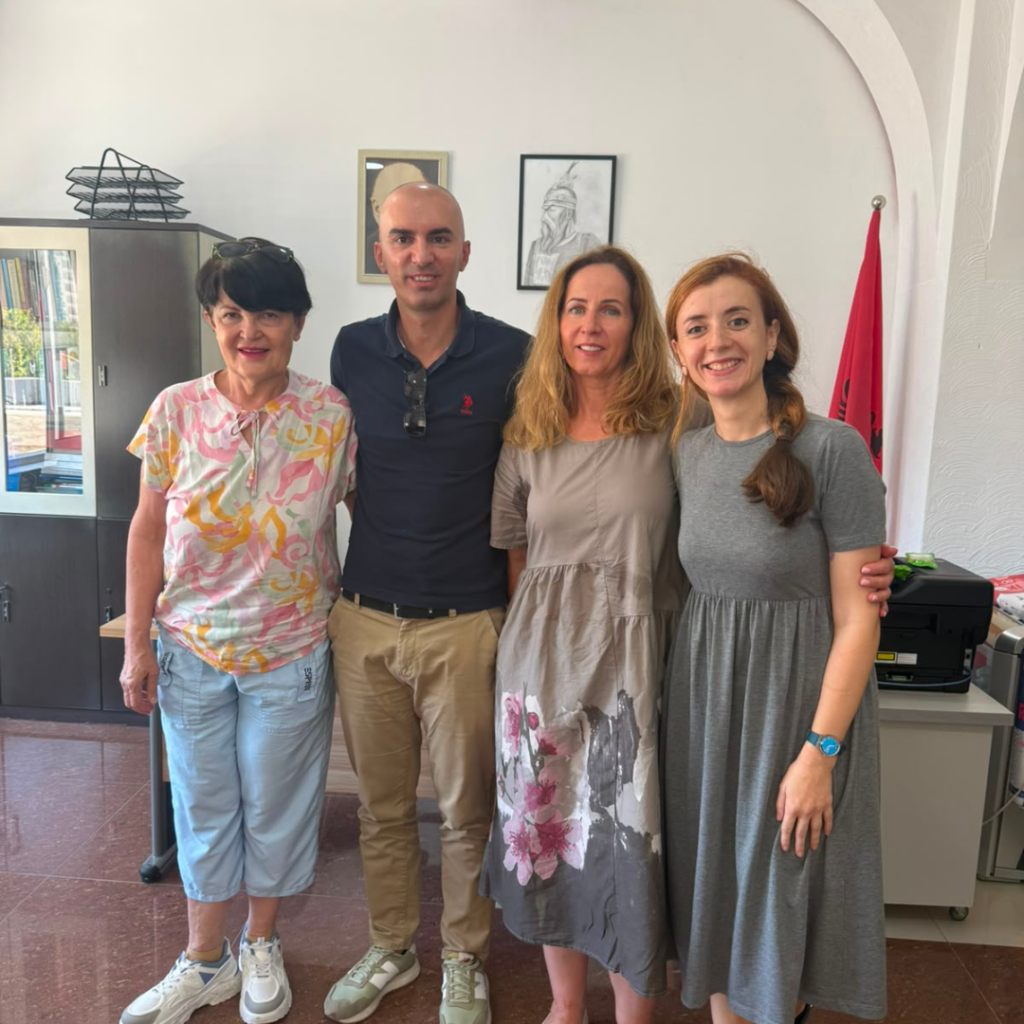
To date, cooperation between ICEPS and Ismail Qemali University has included a total of ten mobilities. ICEPS hosted guest lecturers from Albania, while members of our professional staff visited Vlorë and delivered lectures to students. Four student mobilities were also completed by students enrolled in the Nursing and Healthcare Management study programmes.
The results achieved confirm that international projects provide a valuable opportunity for the exchange of academic and professional experience, the enhancement of the teaching process, and the connection of students and staff from different cultural backgrounds.
Tamara Milovanović also had the opportunity to learn more about the institution’s working methods and to visit its teaching facilities, laboratories and equipment used for the simulation-based training of future healthcare professionals. A visit to the International Mobility Office enabled an exchange of experience in the organisation of mobilities and the development of international cooperation.
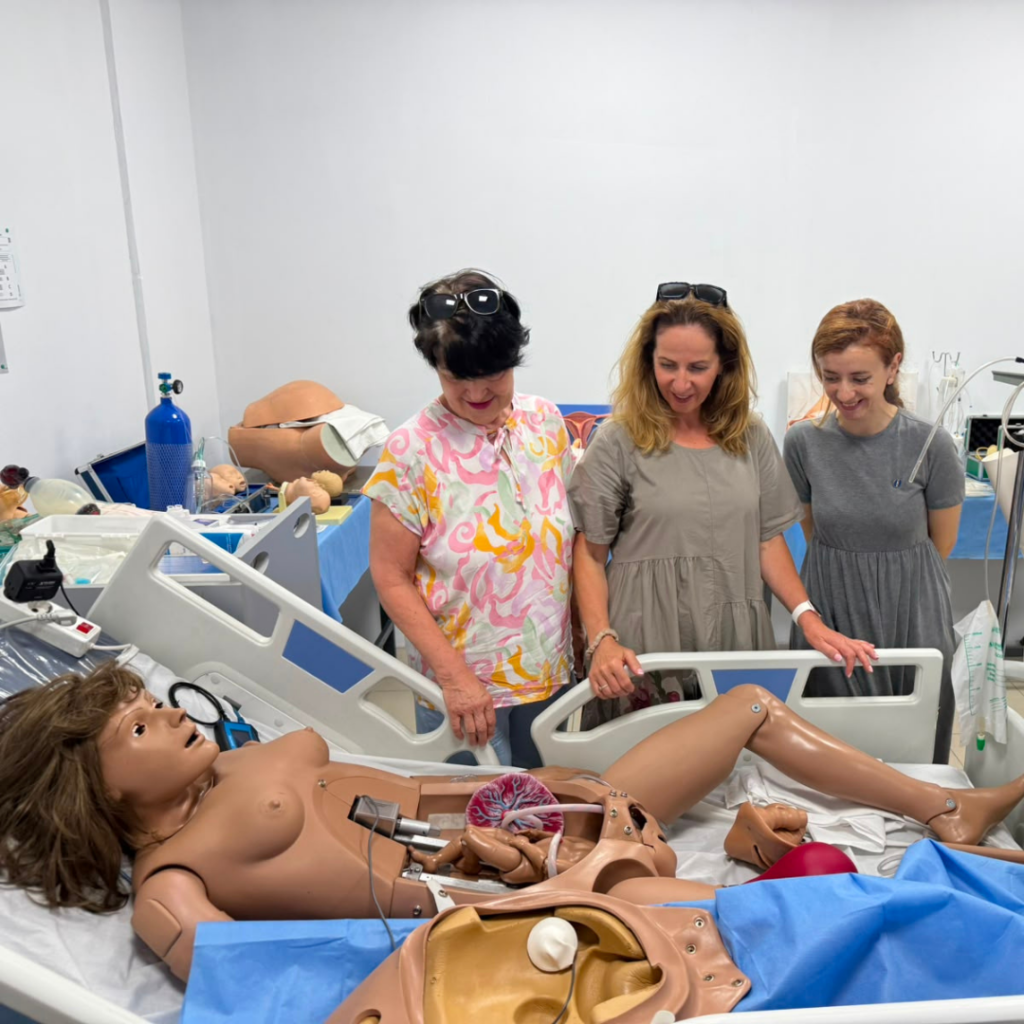
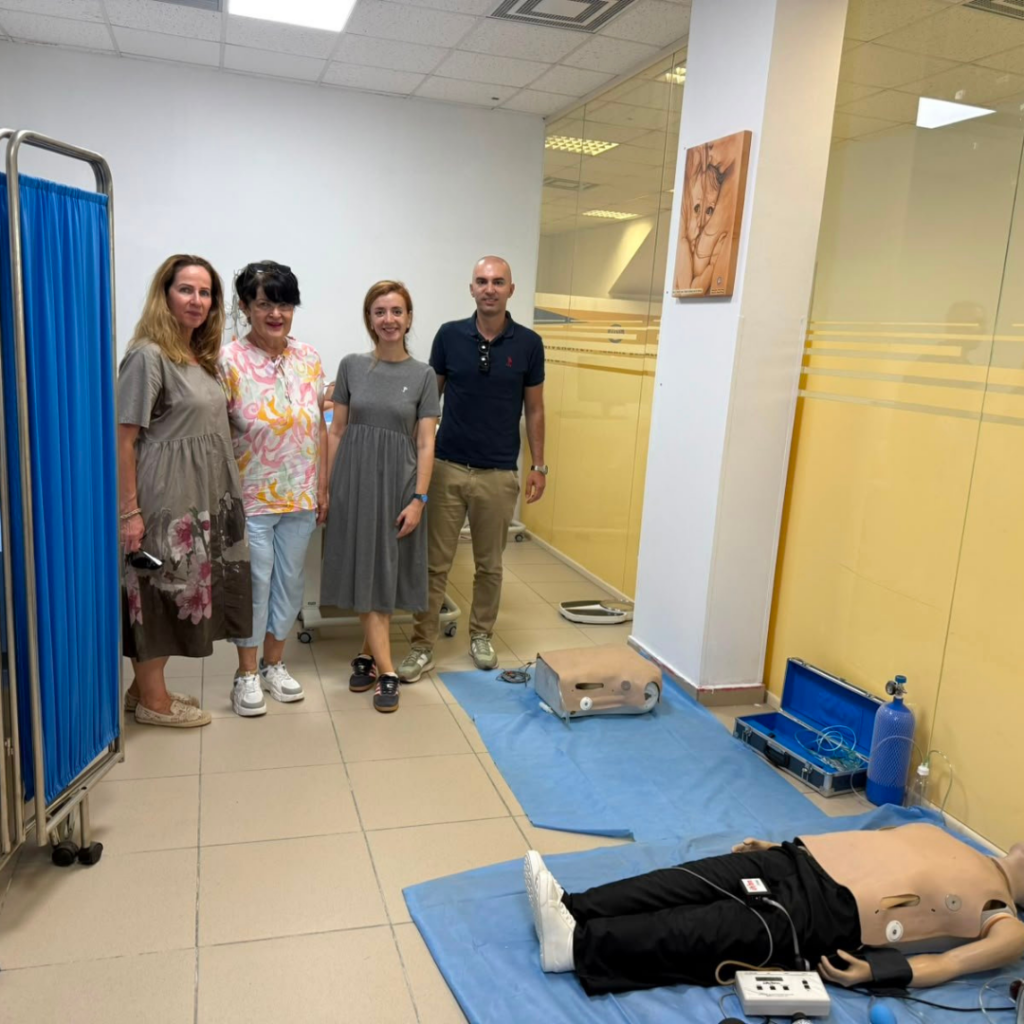
The visit was also marked by a particularly meaningful reunion with lecturer Erlini Kokalla, who holds a Master’s degree in Public Health and is a doctoral candidate at Sapienza University of Rome. Erlini Kokalla had previously visited ICEPS as a guest lecturer and participated in the Healthcare for the Future symposium. Their meeting provided an opportunity to discuss the outcomes of her previous visit, as well as her wish to visit ICEPS and Serbia again in the future.
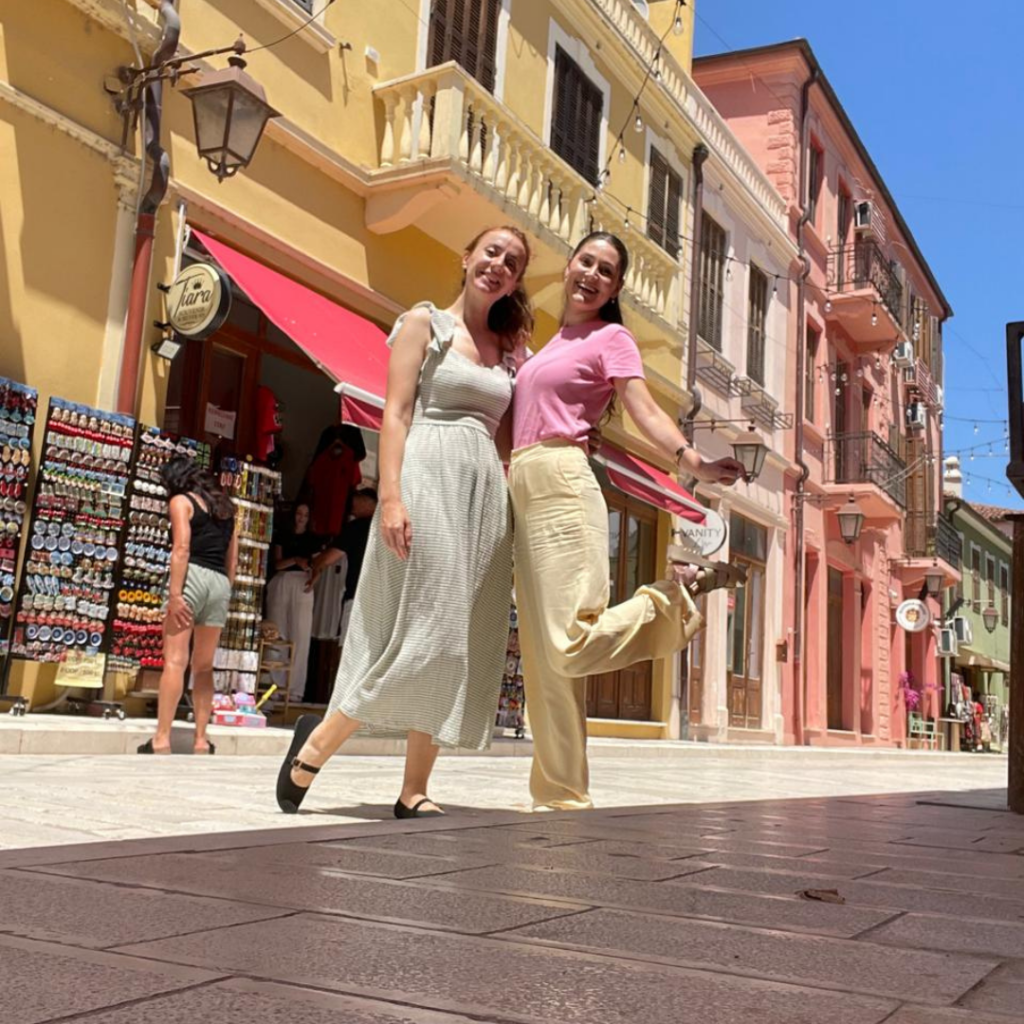
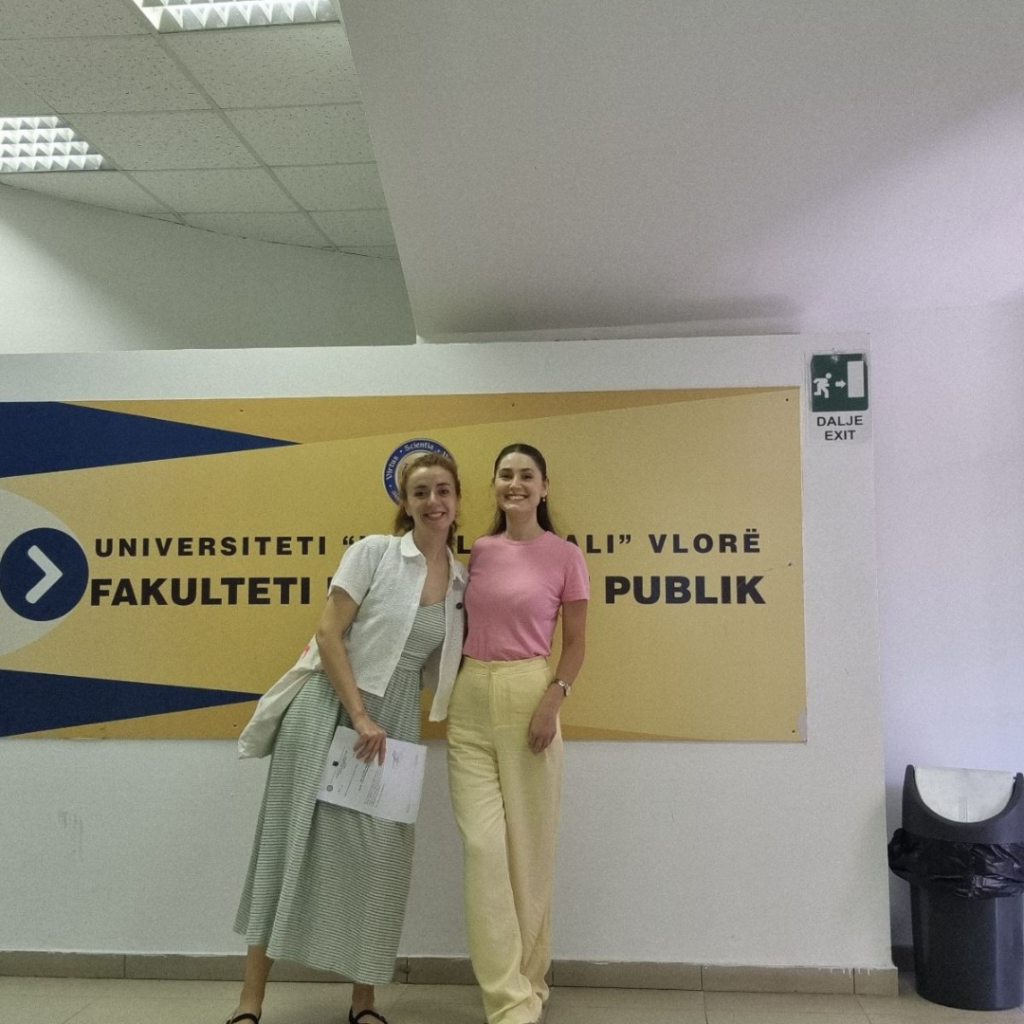
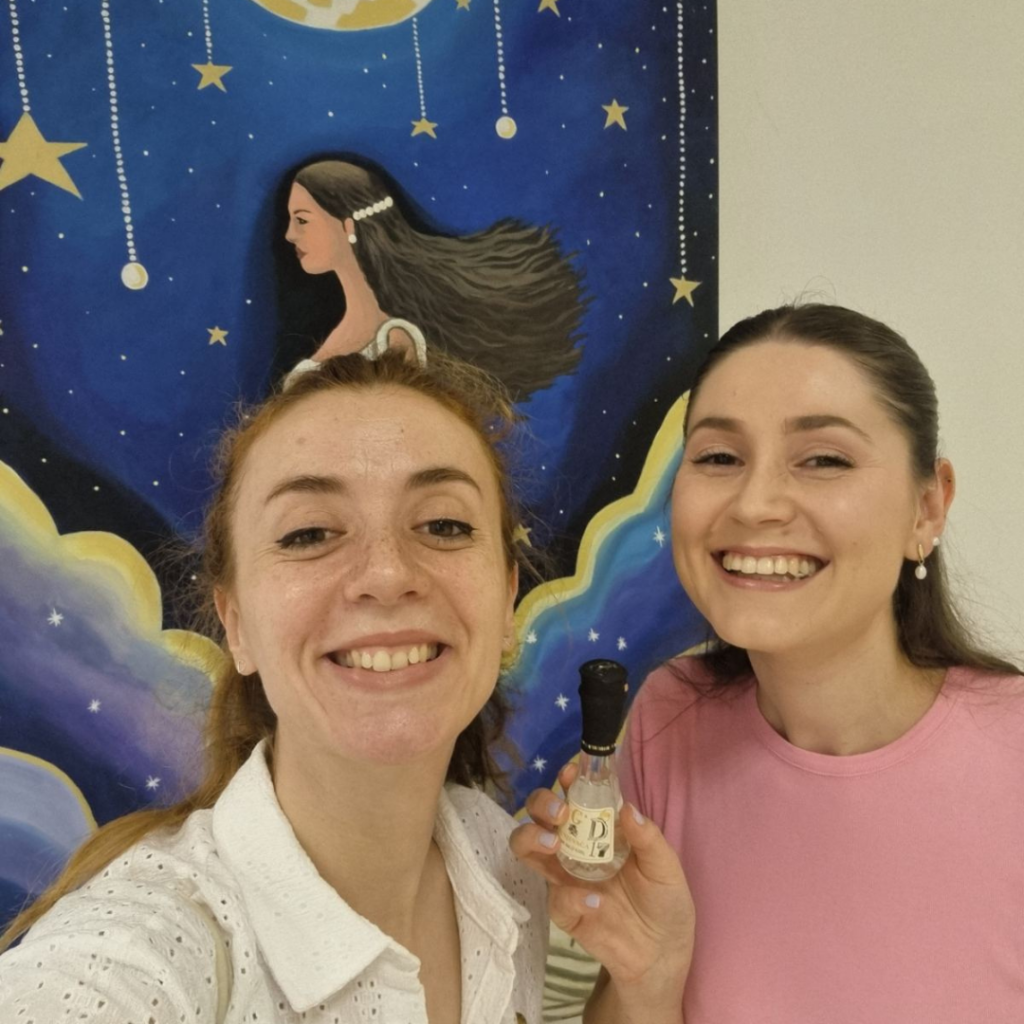
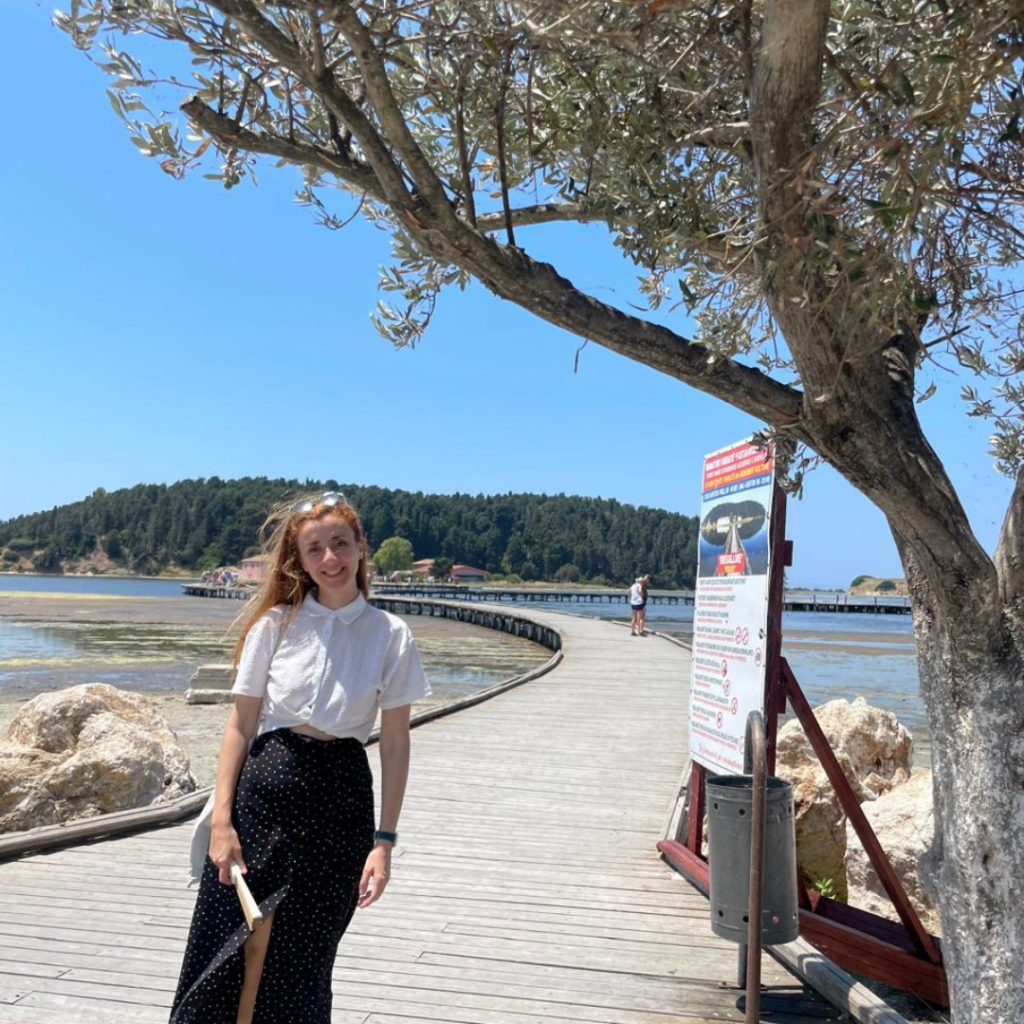
In addition to the professional and academic components of the programme, the mobility offered an opportunity to discover Vlorë, its local culture and the landmarks of this coastal city. The hosts’ warm welcome and informal conversations with colleagues further contributed to the sense of hospitality and to the overall experience of the stay in Albania.
For Tamara Milovanović, this was her first mobility and an important step in developing her communication and presentation skills, expanding her professional network, and representing ICEPS in an international environment.
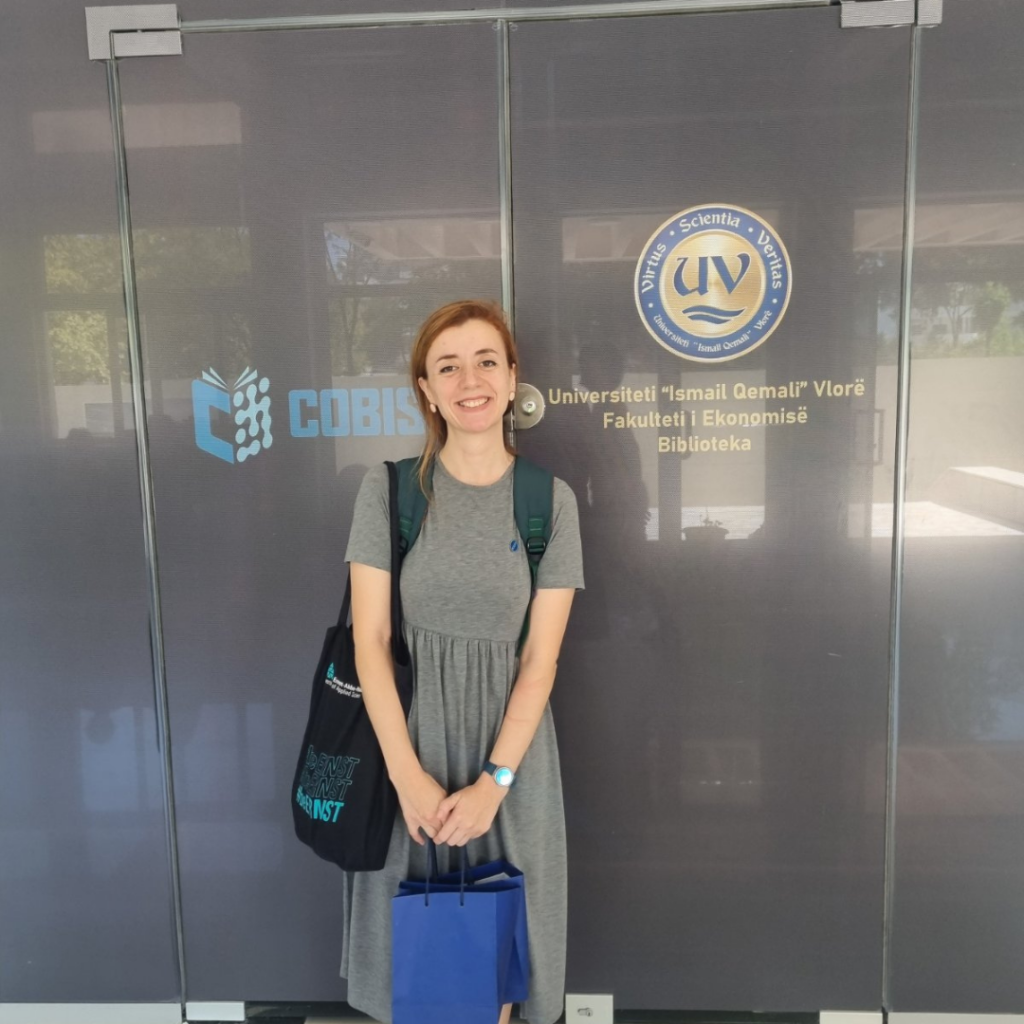
Erasmus+ mobilities give students the opportunity to acquire knowledge within a different education system, improve their foreign-language skills and develop greater independence. They also enable staff members to become familiar with the work of partner institutions, exchange good practices and apply the knowledge gained to the further development of ICEPS.
Experiences such as these demonstrate the importance of international cooperation in building high-quality, modern higher education.
Funded by the European Union. Views and opinions expressed are however those of the author(s) only and do not necessarily reflect those of the European Union or the National Agency. Neither the European Union nor National Agency can be held responsible for them.
[SRB] Finansirano sredstvima Evropske unije. Izražena stanovišta predstavljaju isključivo stanovišta autora i ne odražavaju nužno stavove Evropske unije ili Fondacije Tempus. Ni pod kojim uslovima se Evropska unija ni davalac namenskih bespovratnih sredstava ne mogu smatrati odgovornima za njihovu sadržinu.