


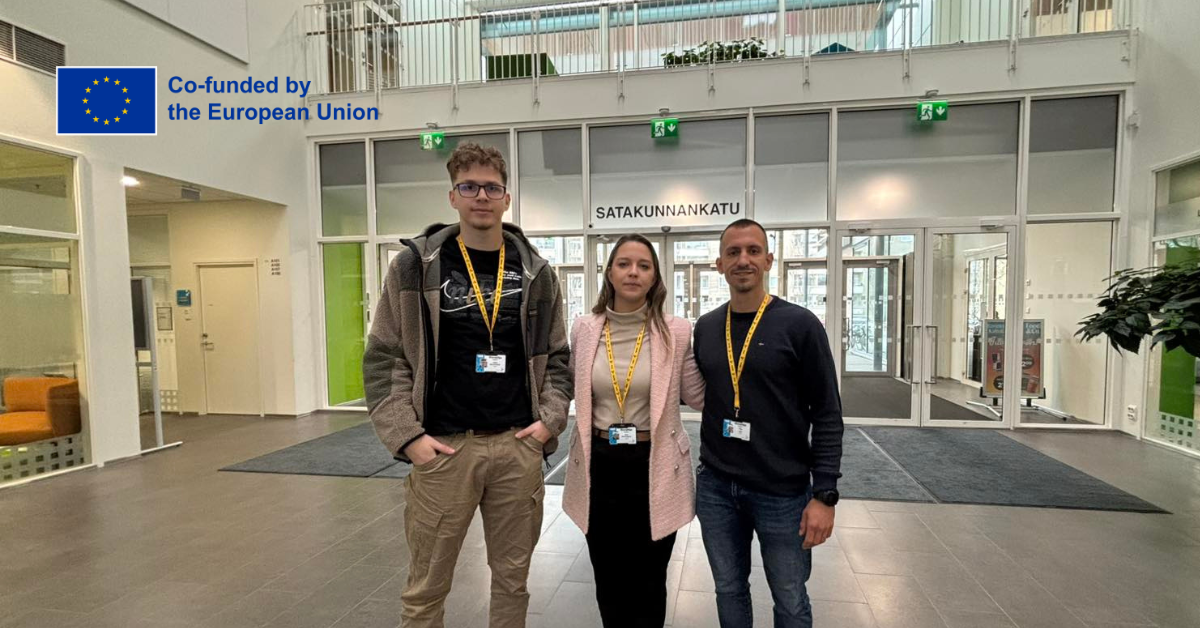
Our undergraduate applied Physiotherapy students, Filip Lalić and Luka Bulatović, together with lecturer Ana Dimitrijević, Master of Sport and Therapeutic Physical Activity, took part in an Erasmus+ mobility program at Satakunta University of Applied Sciences in Pori, Finland.
The program took place from 4 to 8 May 2025 as part of the Blended Intensive Program “Deepening the Knowledge in Adapted Physical Activity (APA) – Collaborative Clinical Simulation”. It focused on physiotherapy, rehabilitation, adapted physical activity, working with persons with disabilities, and understanding parasport, including the transition from adapted physical activity to high-performance sport.
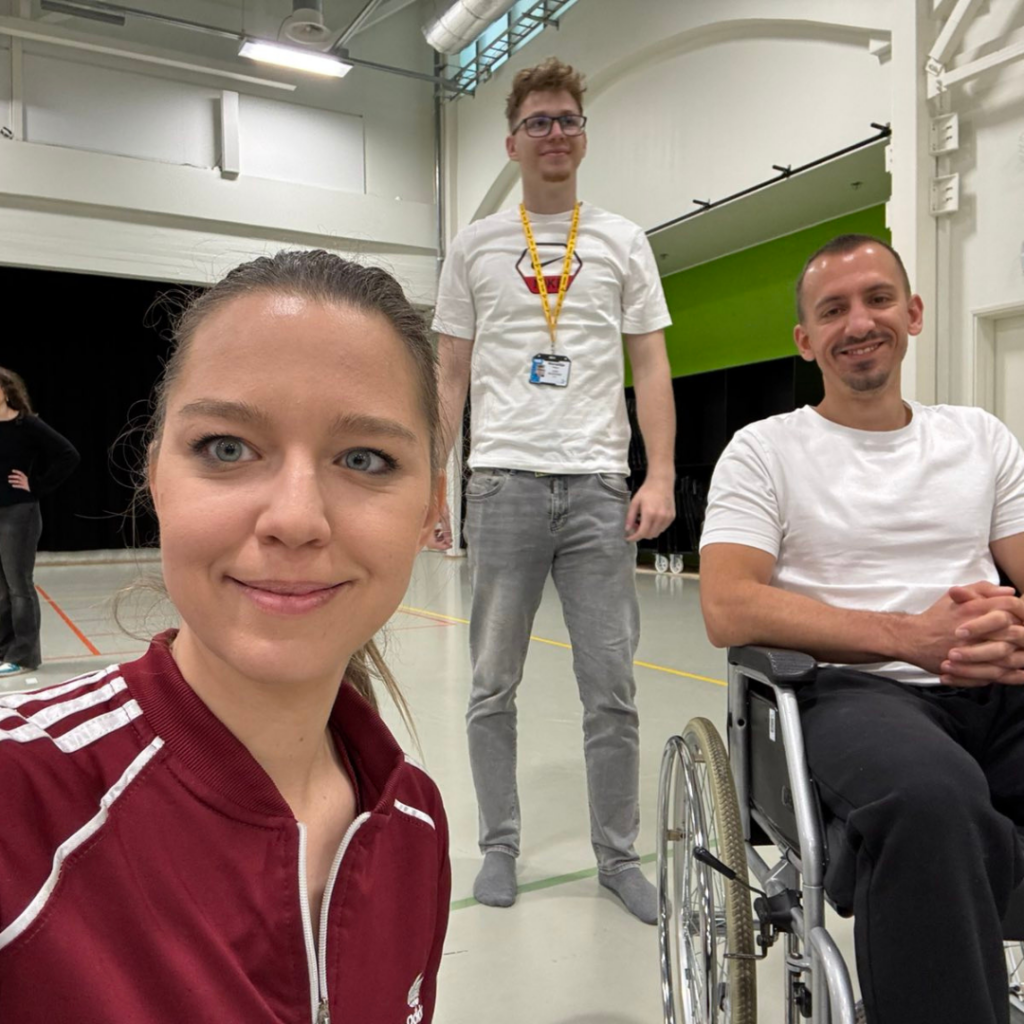
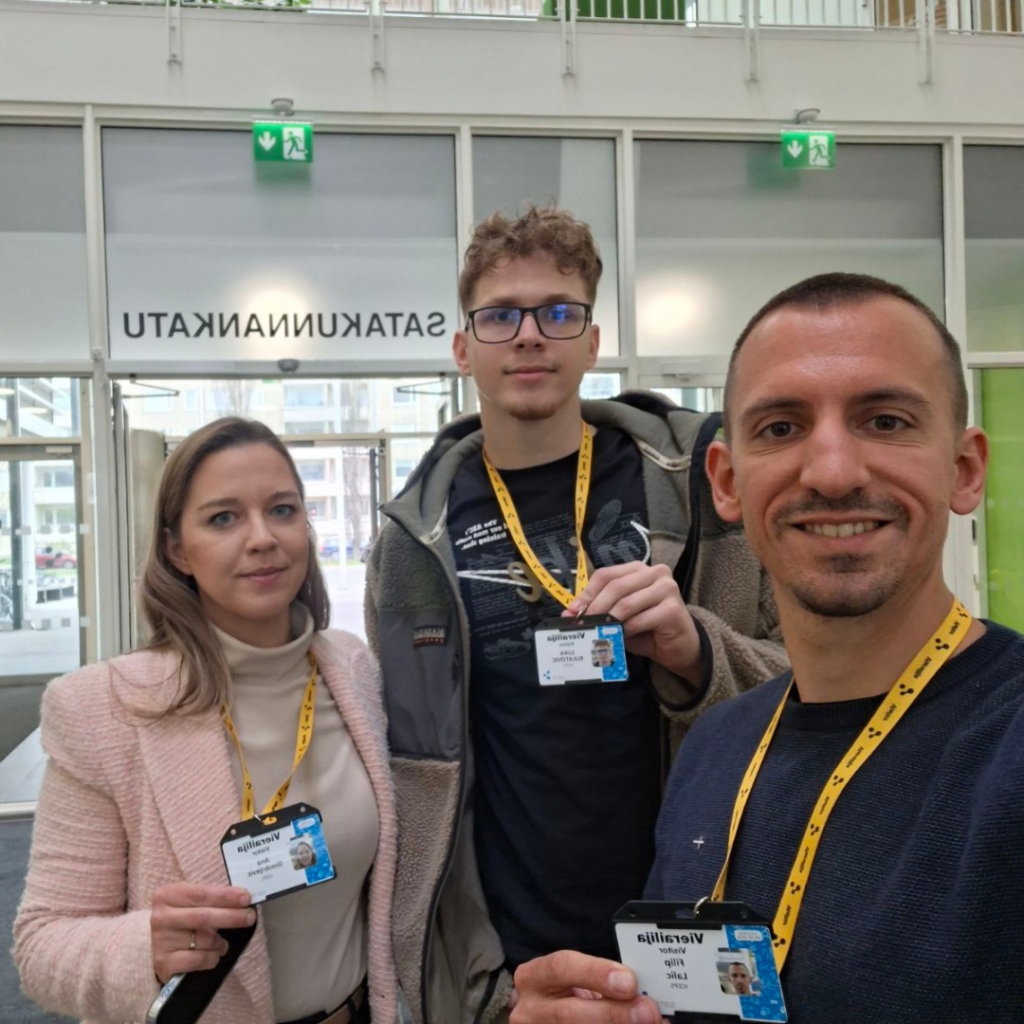
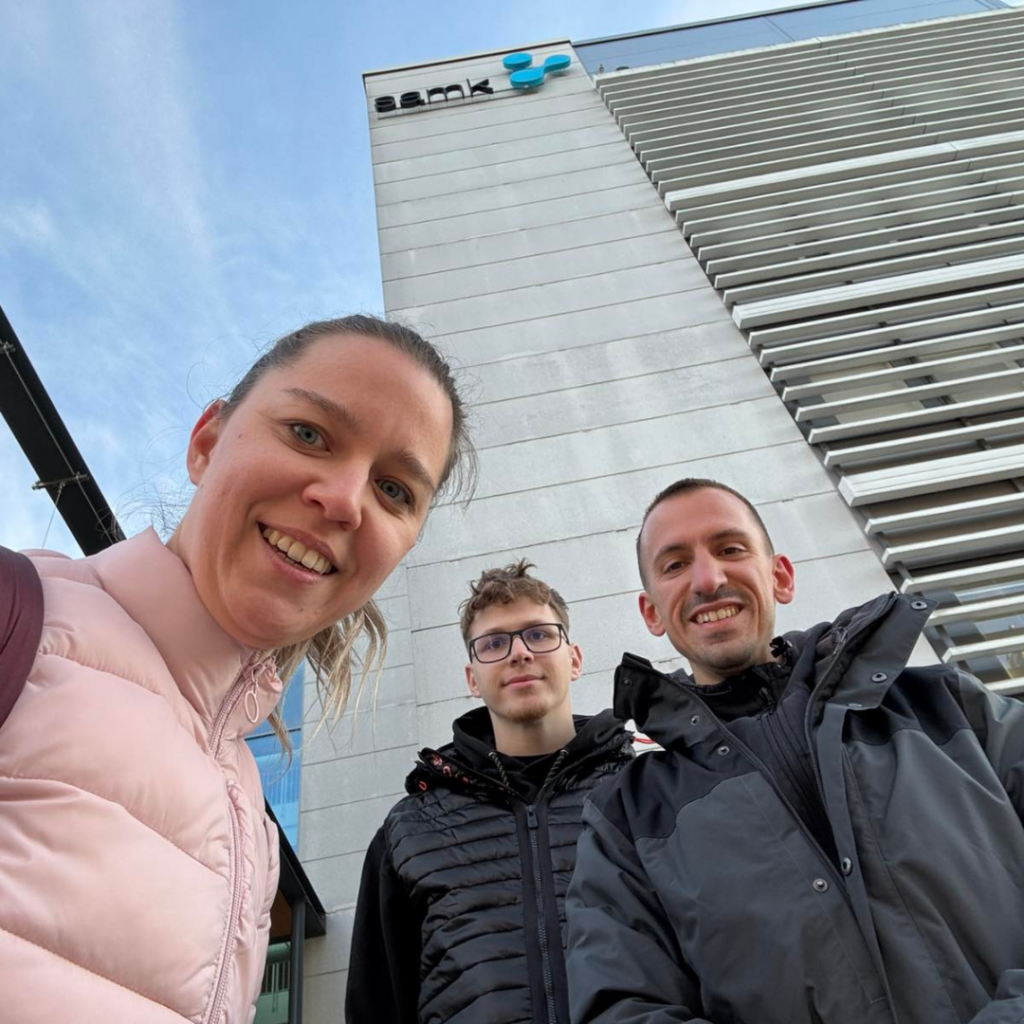
The mobility brought together students and teaching staff from several European and Asian countries, including India, the United Kingdom, China, Thailand, Ukraine, Portugal, Slovenia, Croatia, and Serbia. This international environment enabled the exchange of knowledge, experience, and examples of good practice. Beyond the knowledge- and experience-sharing mobility activities, the program also provided opportunities for informal socializing, intercultural exchange, and the development of new friendships.
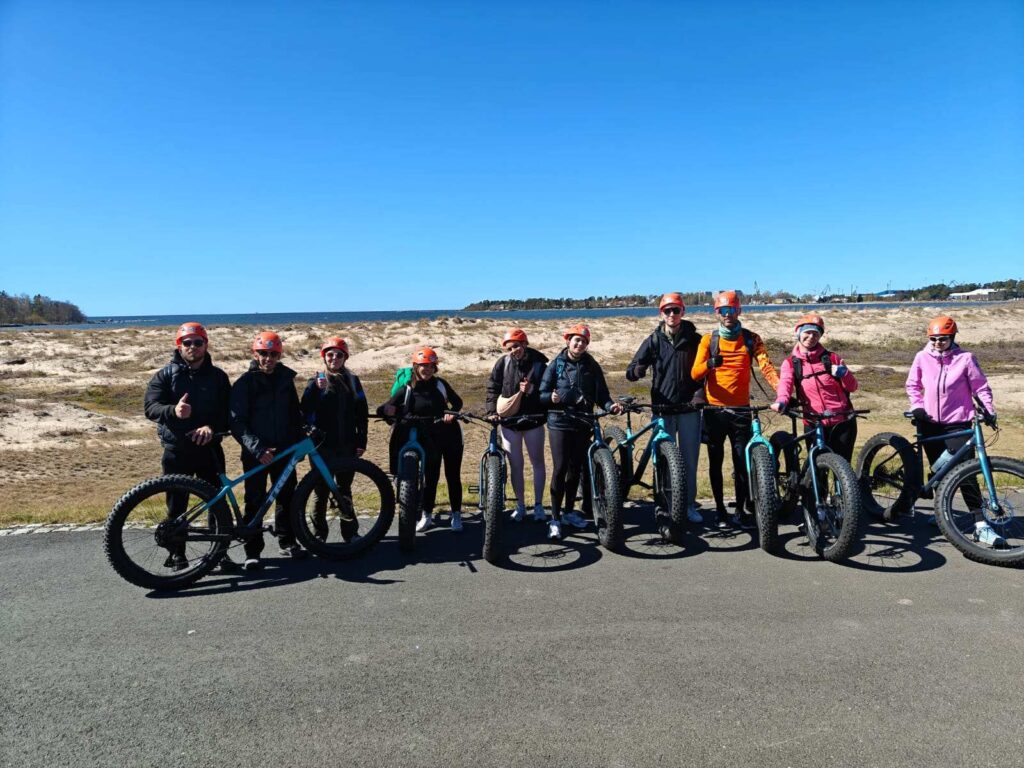
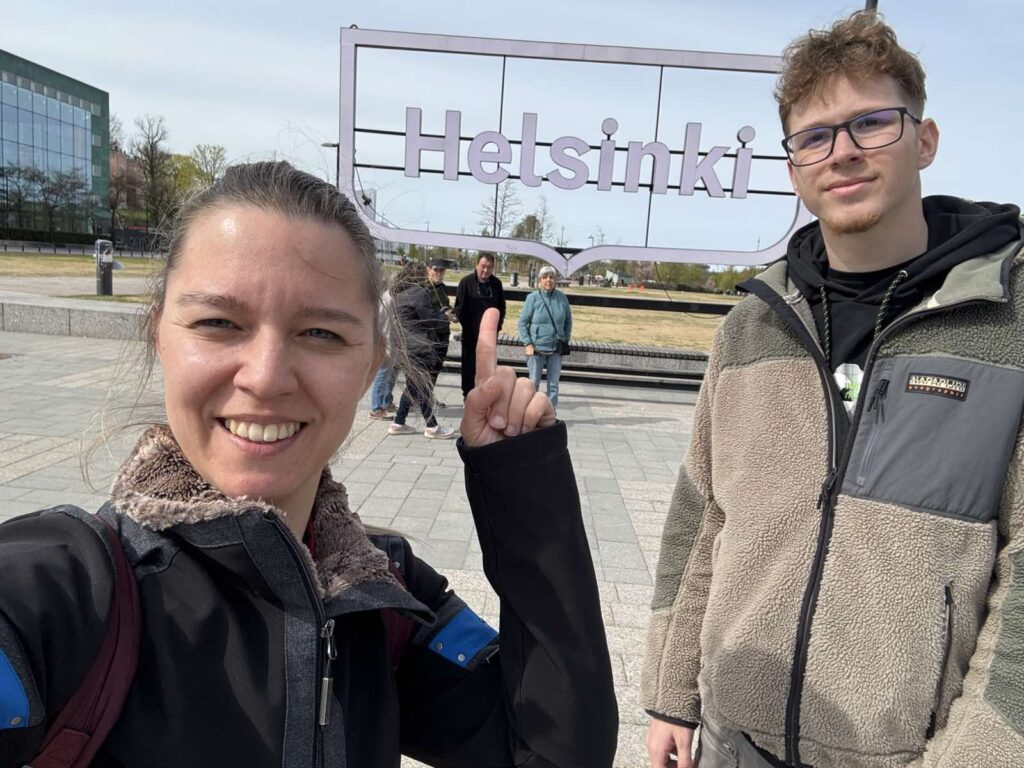
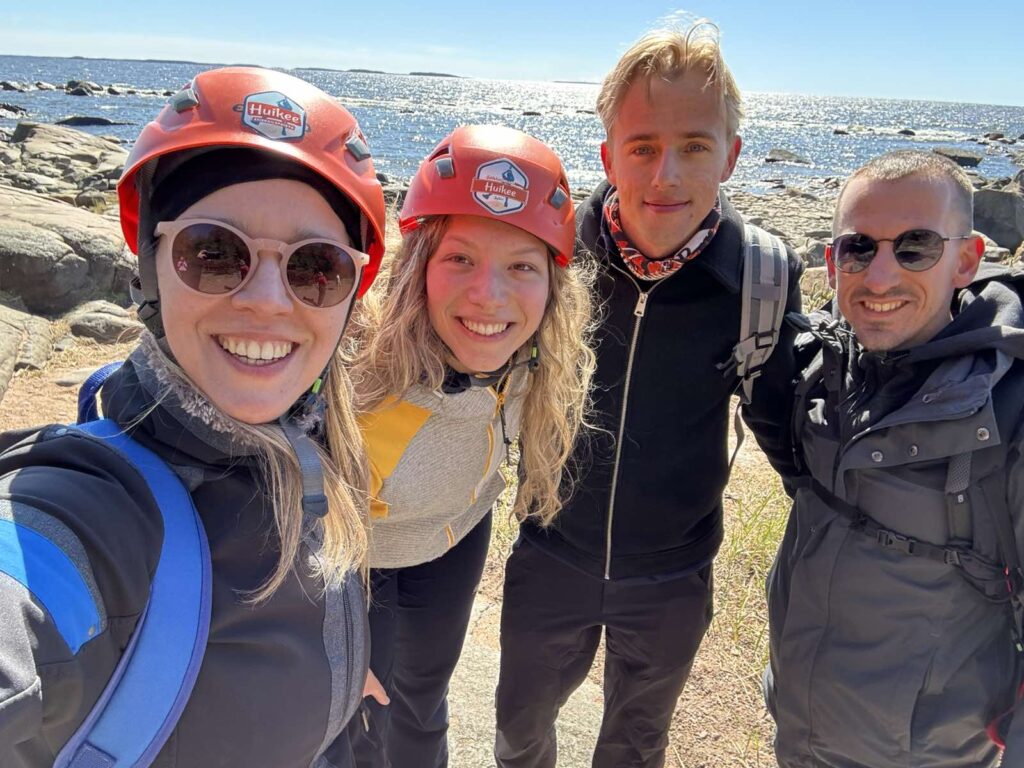
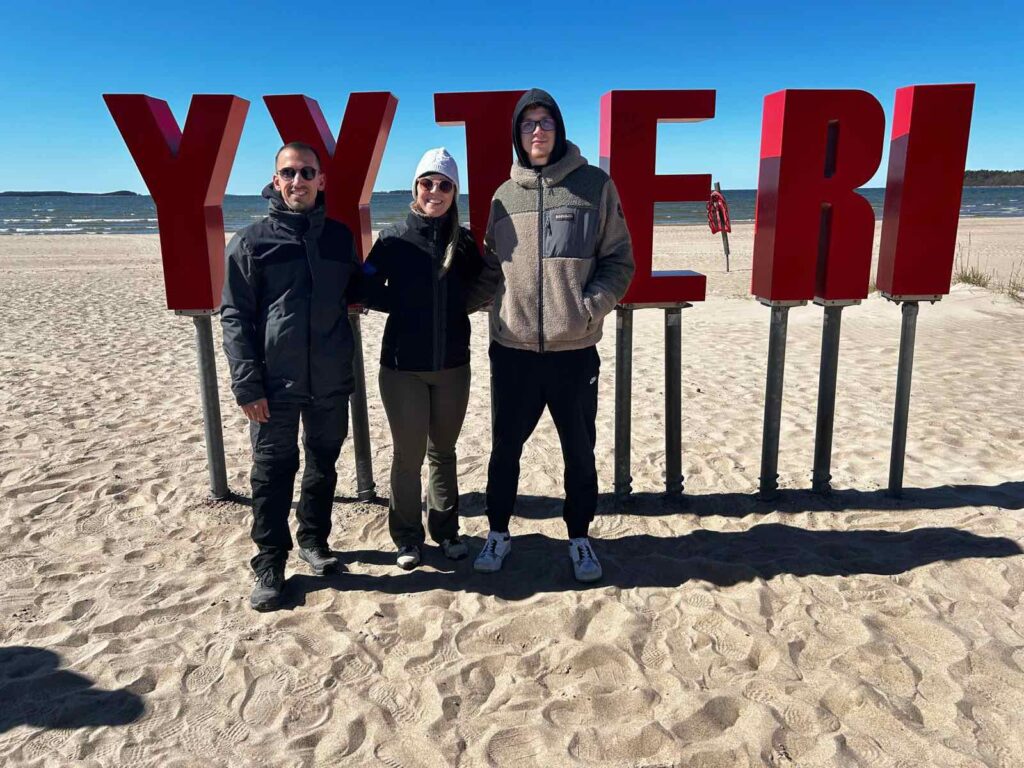
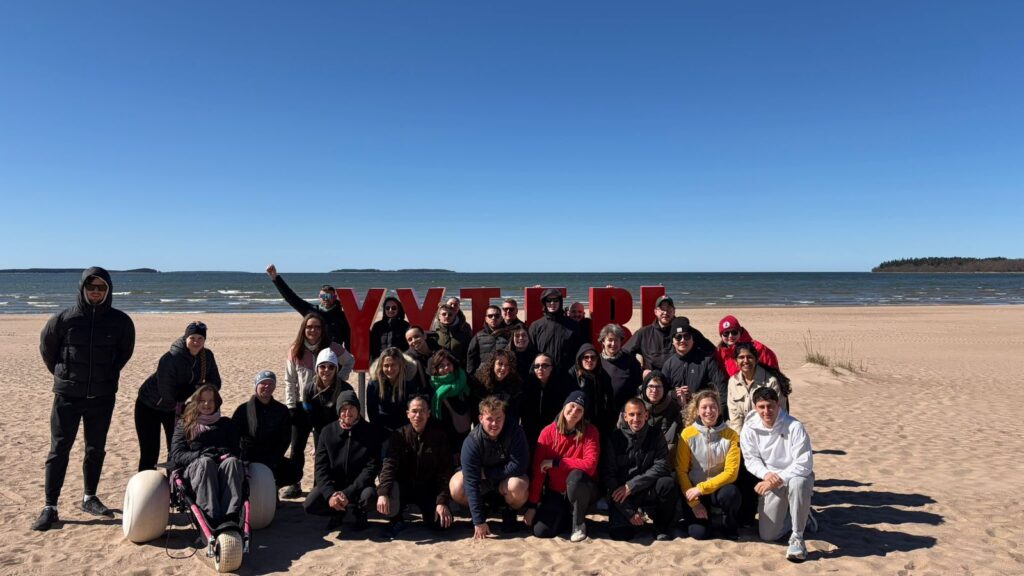
During their stay, ICEPS students and lecturer Ana Dimitrijević actively participated in lectures, workshops, practical tasks, and group activities. The most valuable parts of the program were those related to working with persons with disabilities, simulations of everyday situations, safe movement, the use of wheelchairs, providing support to patients, and encouraging their independence.
Lecturer Ana Dimitrijević pointed out that the lectures were clearly structured, concrete, and applicable, while the workshops enabled participants to connect theoretical knowledge with real-life situations. ICEPS students demonstrated a high level of engagement, openness, communication skills, and readiness for teamwork, which was recognised and praised by the organisers and professors from partner institutions.
Presentation by ICEPS Students and Lecturer
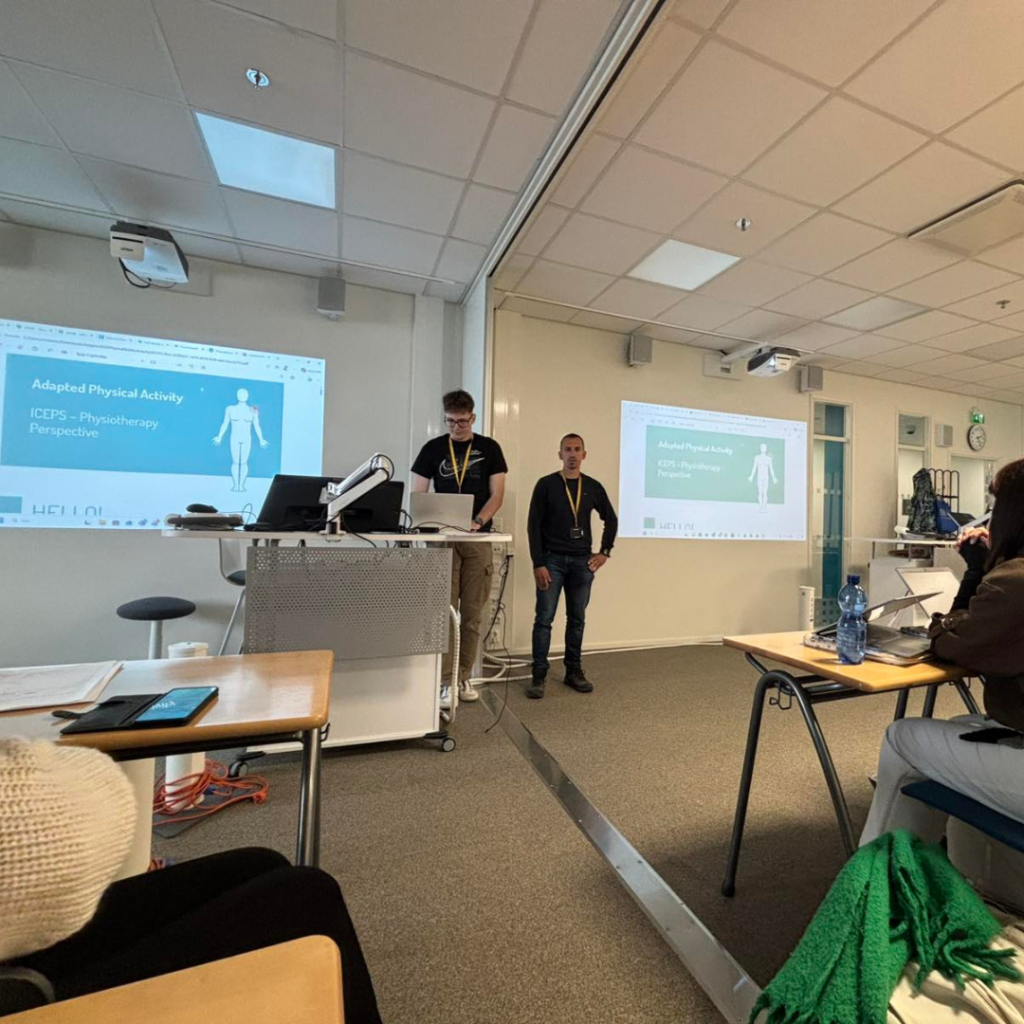
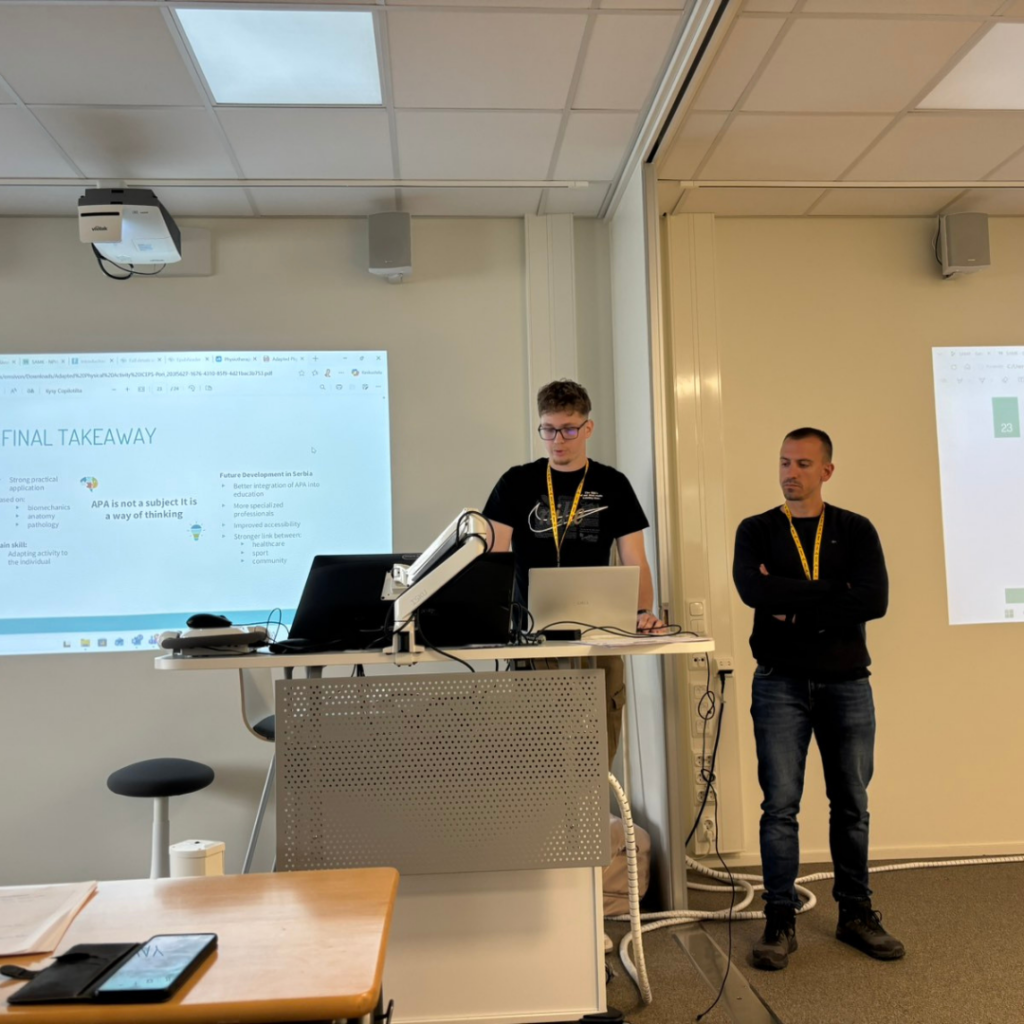
During the program, ICEPS students presented the approach to adapted physical activity and working with different categories of patients in Serbia and at ICEPS. Their presentation included the educational framework, the principles developed through teaching, and the broader context of participation of persons with disabilities in physical activity and sport in Serbia.
The research-based approach and relevant data on persons with disabilities, physical activity, and Paralympic sport in our country added particular value to the presentation. According to lecturer Ana Dimitrijević, the students’ presentation generated very positive interaction and interest among participants.
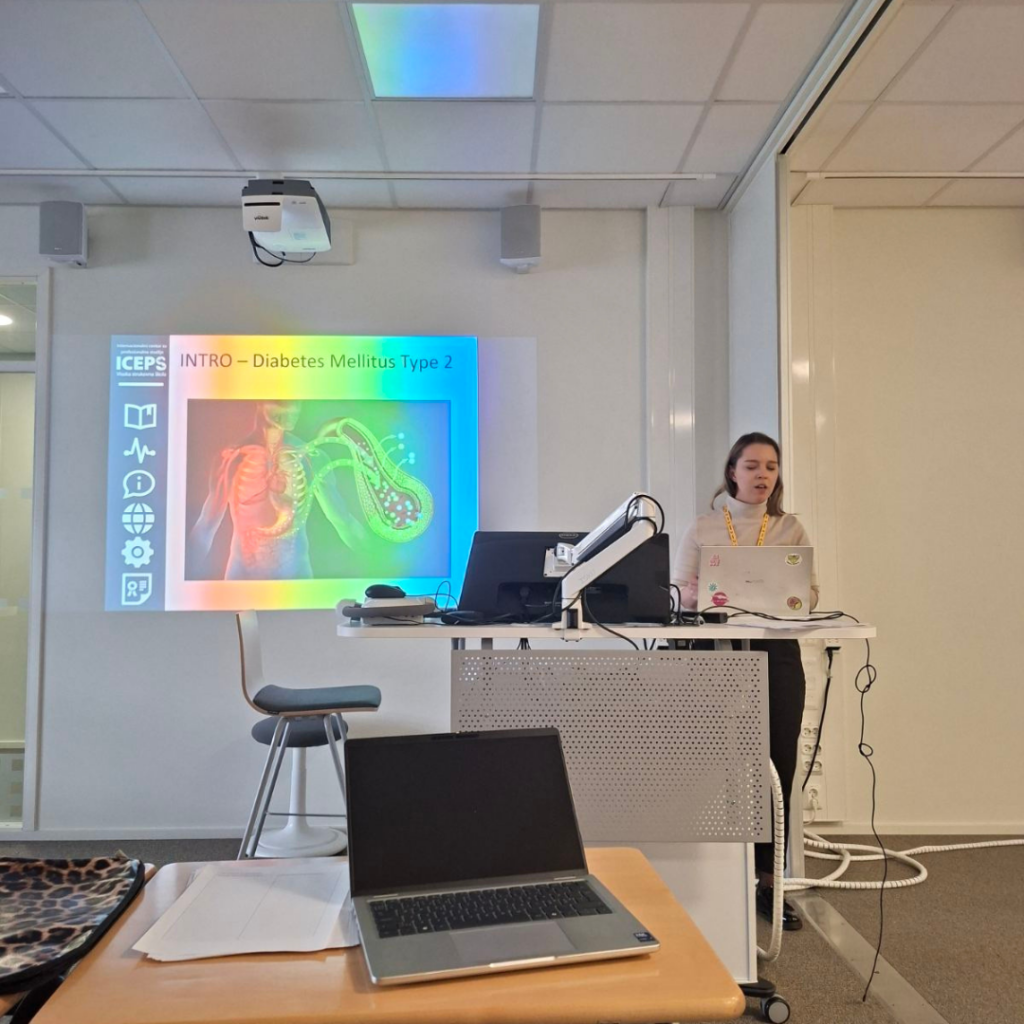
In addition to the students’ presentation, the presentation delivered by lecturer Ana Dimitrijević on the topic “The Effect of Therapeutic Exercises in Persons with Type 2 Diabetes Mellitus” also attracted significant attention from those present.
New Knowledge for Teaching and Practice
One of the most important outcomes of the mobility was the opportunity to apply the acquired knowledge in future teaching and practical work. Ana Dimitrijević emphasised that she would incorporate some of the experiences, materials, and practical examples from Finland into her lectures, particularly within clinical kinesitherapy, which covers topics such as the use of crutches, canes, wheelchairs, and other assistive devices.
During the program, students learned how to use wheelchairs, overcome obstacles, respond in the event of a fall or wheelchair tipping, and adapt activities for persons with reduced mobility, visual impairment, or other difficulties.
Practical Workshops and Inclusive Sport
A particularly memorable part of the program was the Expo — a physical activity fair for persons with disabilities. Participants had the opportunity to learn about various adapted sports and activities intended for children and persons with disabilities.
One of the especially interesting workshops involved designing a dance choreography for persons with different types of difficulties. Through such tasks, students developed creativity, communication, empathy, and the ability to adapt activities to the individual abilities of each patient.
The Value of the Experience for the ICEPS Community
The mobility participants highlighted that their stay in Finland encouraged them to further reflect on the quality of knowledge and skills that ICEPS students acquire during their studies. Special emphasis was placed on the value of practical work with patients, the mentoring approach, and the gradual development of students’ independence.
Student Filip Lalić pointed out that one of the major advantages of studying at ICEPS is precisely the strong emphasis on practice: from the first year, students gradually encounter different patients and, with mentor support, gain increasing autonomy in their work over time.
Ideas for Future International Activities
The experience in Finland opened up opportunities to consider organising similar international programs at ICEPS. Possible topics include physiotherapy, rehabilitation, adapted physical activity, inclusive sport, and working with persons with disabilities.
Ana Dimitrijević noted that ICEPS has the knowledge, experience, high-quality lecturers, and motivated students needed to organise a similar international program in the future.
This Erasmus+ mobility confirmed the importance of international exchange for the development of both students and teaching staff. In addition to acquiring new professional knowledge, participants gained greater confidence, independence, openness to diversity, and readiness for professional work in a broader European context.

Funded by the European Union. Views and opinions expressed are however those of the author(s) only and do not necessarily reflect those of the European Union or the National Agency. Neither the European Union nor National Agency can be held responsible for them.
[SRB] Finansirano sredstvima Evropske unije. Izražena stanovišta predstavljaju isključivo stanovišta autora i ne odražavaju nužno stavove Evropske unije ili Fondacije Tempus. Ni pod kojim uslovima se Evropska unija ni davalac namenskih bespovratnih sredstava ne mogu smatrati odgovornima za njihovu sadržinu.