


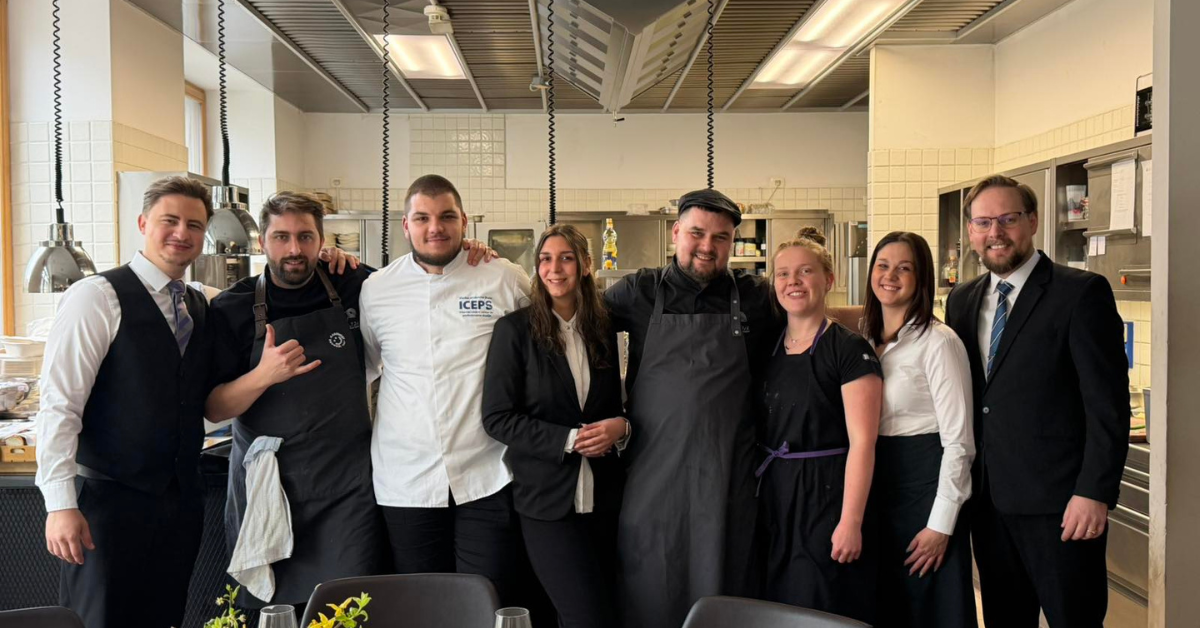
Our hospitality students from the study programs Gastronomy Management and Restaurant Management, Nikola Živadinović and Milana Perišić, have returned from their Erasmus+ mobility in Slovenia enriched with valuable professional and personal experiences that, as they emphasize, they will remember for a long time. As part of a short-term Erasmus+ mobility for studies, they stayed in Ljubljana from March 16 to 27, 2026, where they attended theoretical classes and practical training at the partner institution Biotechnical Educational Centre Ljubljana (Biotehniški izobraževalni center Ljubljana – BIC Ljubljana). Part of the activities was also carried out at Restaurant Kult316, which serves as the institution’s training base.
The Erasmus+ mobility enabled the students to acquire new knowledge and skills in the fields of gastronomy, restaurant management, and modern hospitality business operations. As part of the short-term mobility, after their stay in Ljubljana, the students also participated in the virtual component of the program through an online meeting with Prof. Dr. Gordana Vulić.
The students were welcomed in Ljubljana by Prof. Dr. Gordana Vulić, who is also a visiting lecturer at ICEPS. Through her dedicated work, support, and joint activities with the students during the mobility, she significantly contributed to the quality of their international experience.
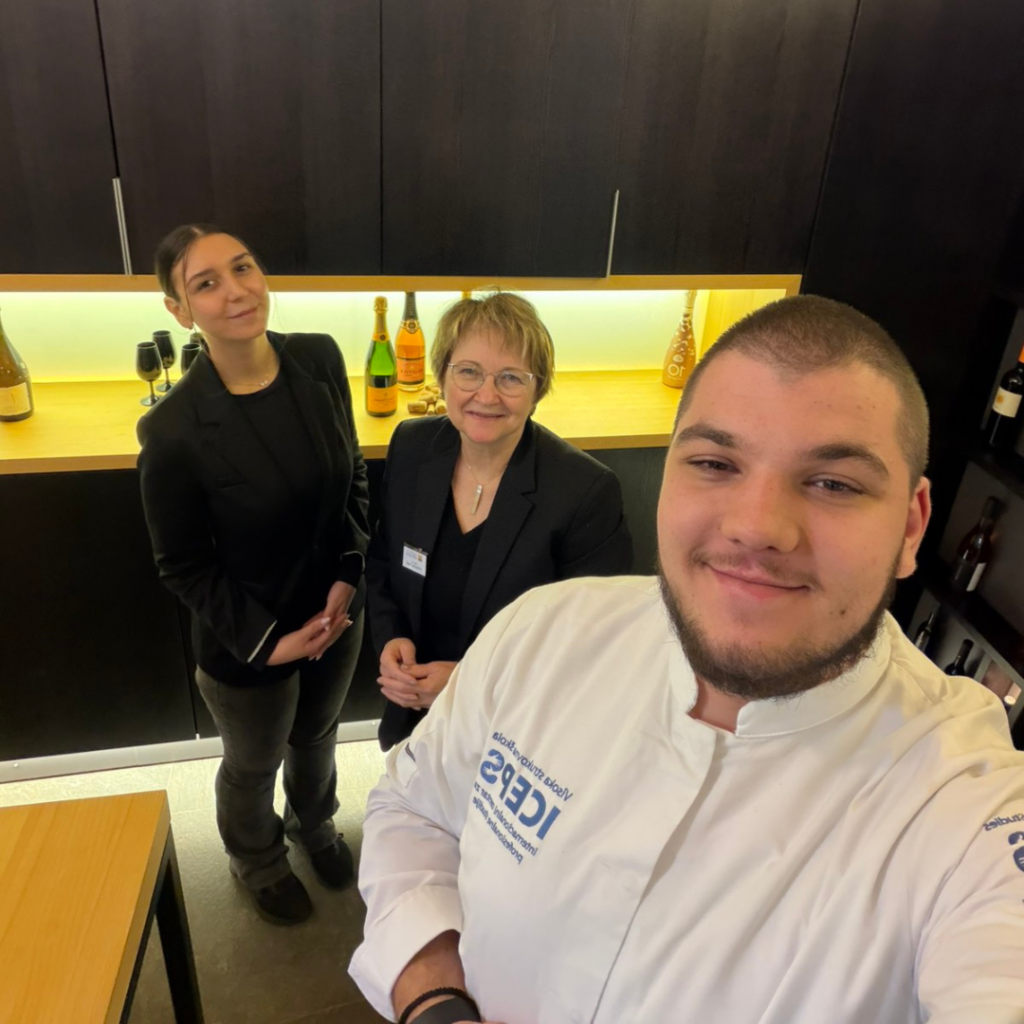
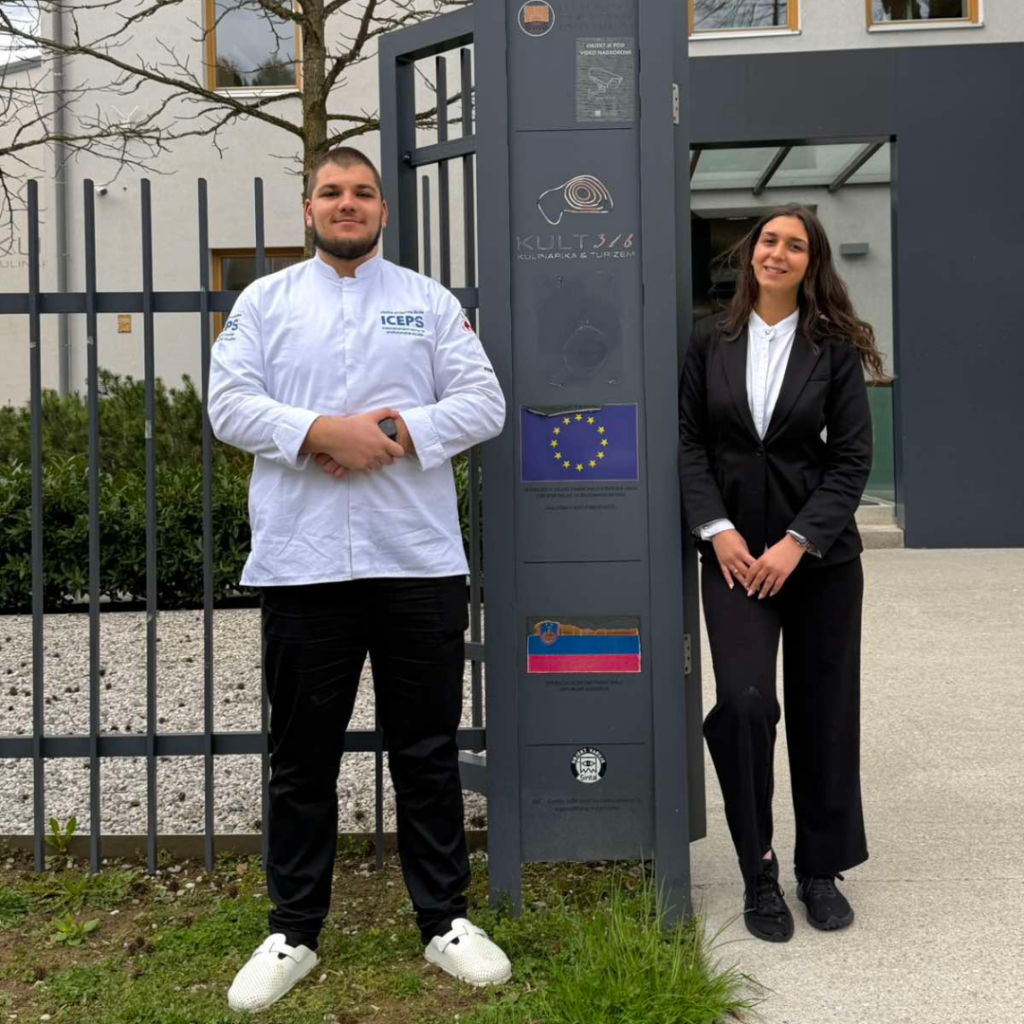
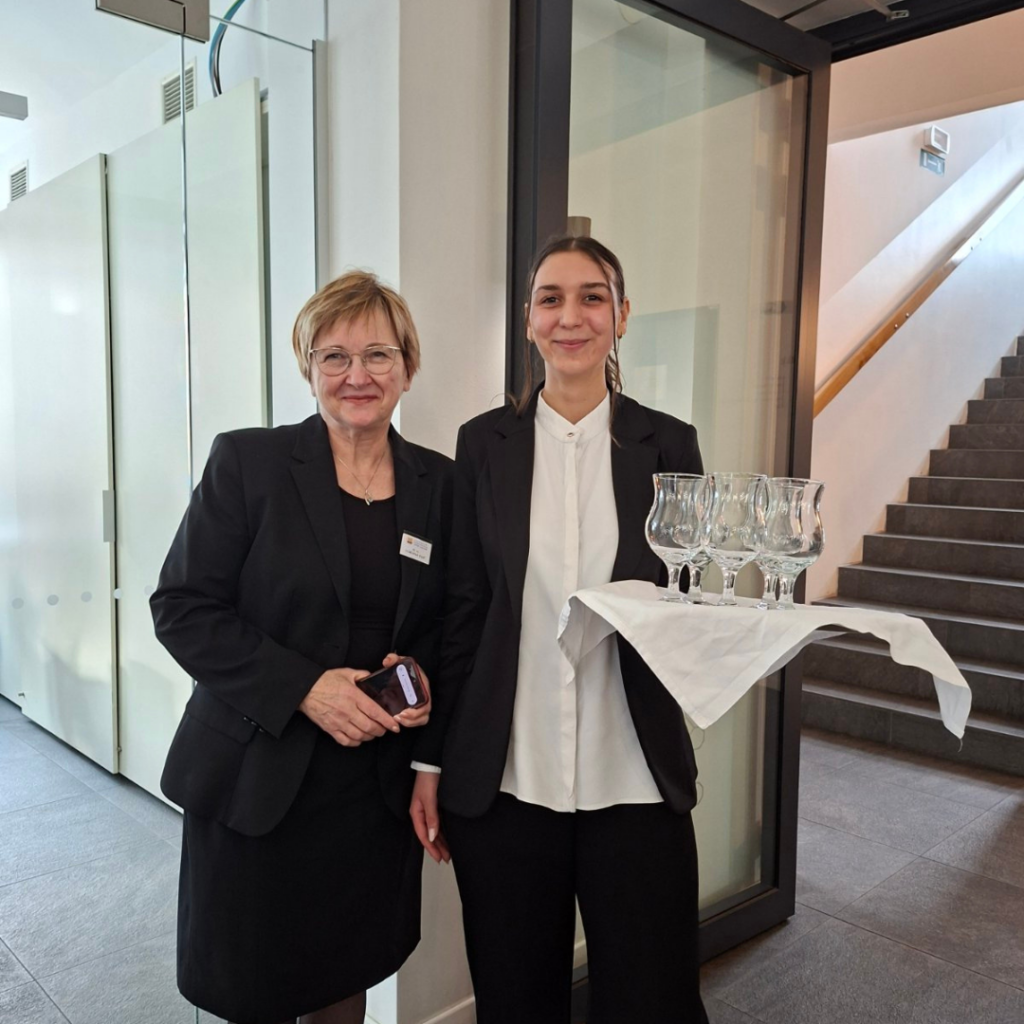
Although adapting to a new environment and a different way of working initially presented a challenge, both students point out that, thanks to the openness of their colleagues, mentors, and professors, they quickly found their place. Communication took place in Serbian, Croatian, and English, while the pleasant atmosphere and support from the people they collaborated with made them feel accepted and motivated from the very first day.
Student Nikola Živadinović particularly highlighted working within a different kitchen system, which involved changing menus daily and creating new dishes. This dynamic approach enabled him to improve his culinary knowledge, especially in the use of spices, flavor combinations, and kitchen organization. On the other hand, student Milana Perišić gained new insights into contemporary hospitality trends through theoretical and practical activities in restaurant operations and bartending. She especially enjoyed the workshops on preparing syrups and cordials, wine and cheese tastings, as well as cocktail evaluations and presentations by other students. Our student also had the opportunity to participate, together with Professor Boštjan Humski at the Biotechnical Educational Centre Ljubljana, in the evaluation of other students’ work.
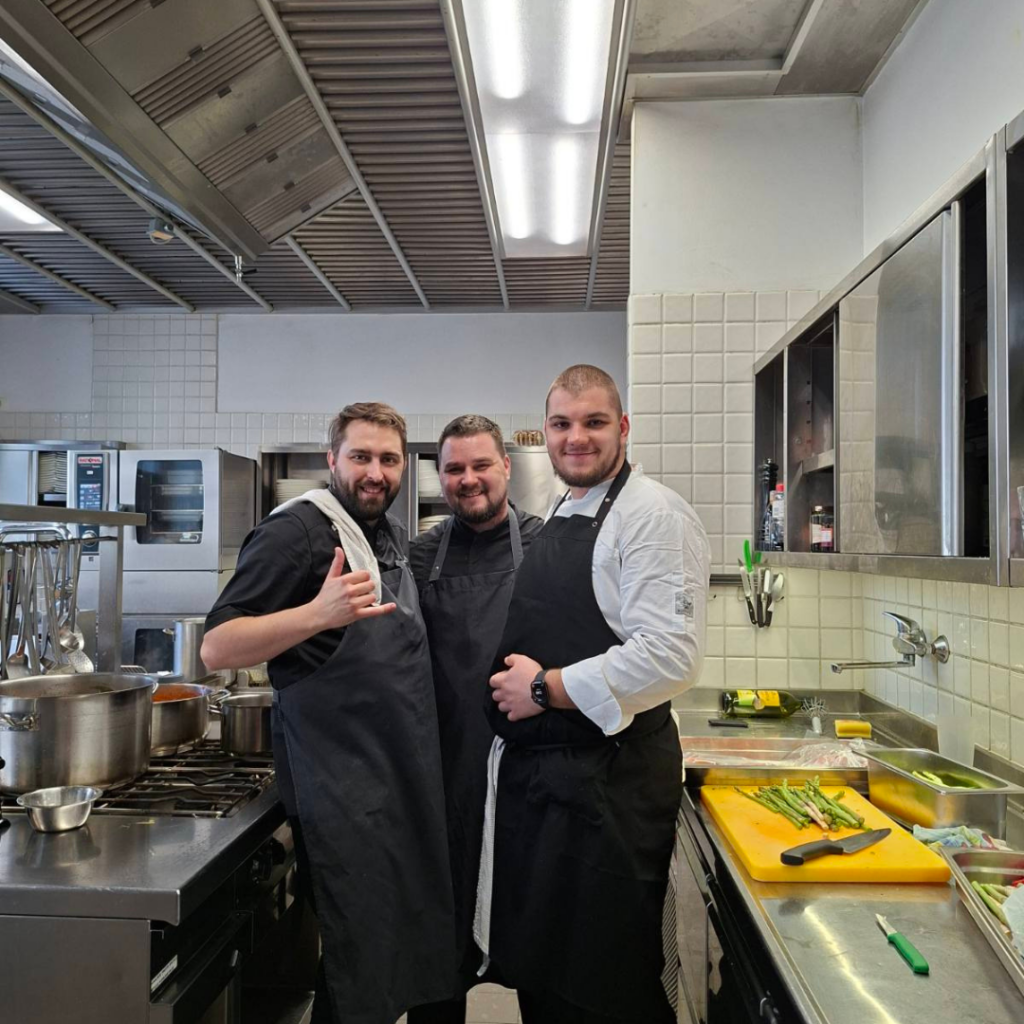
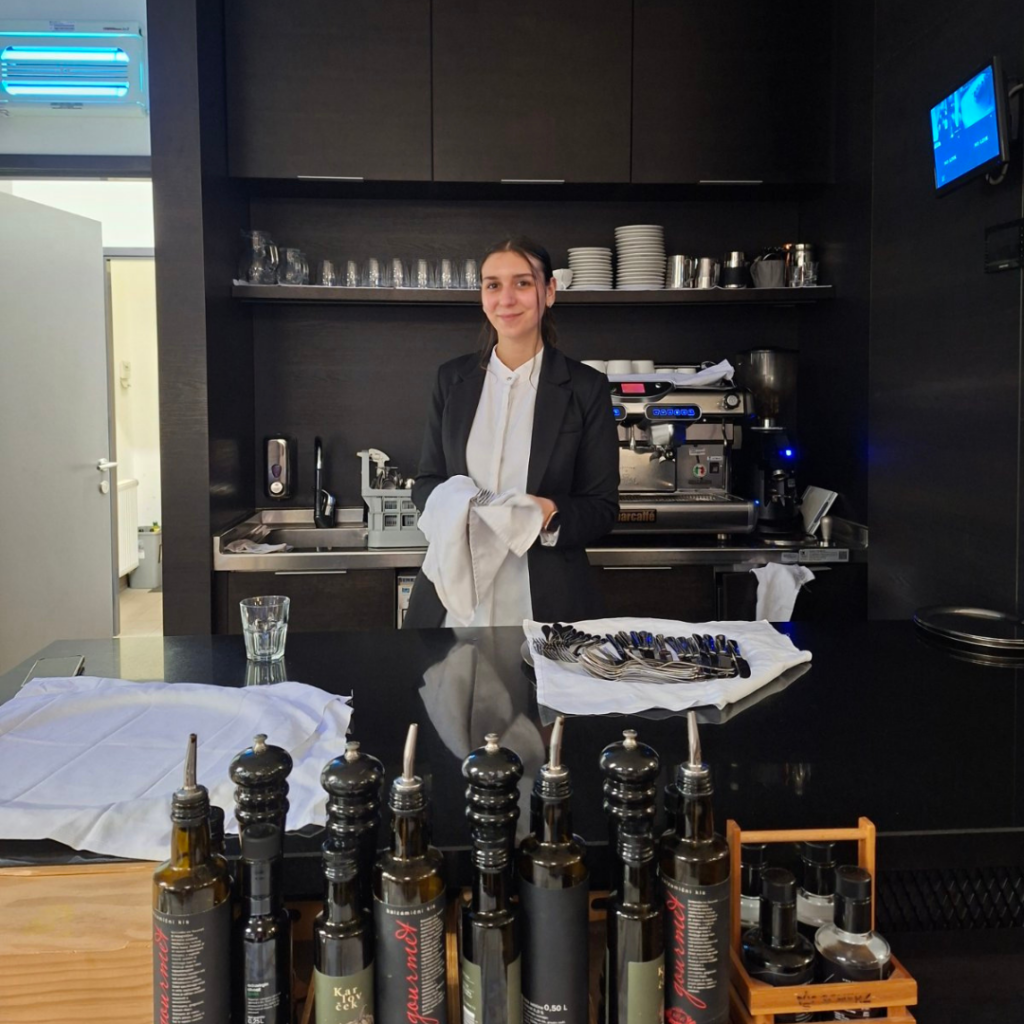
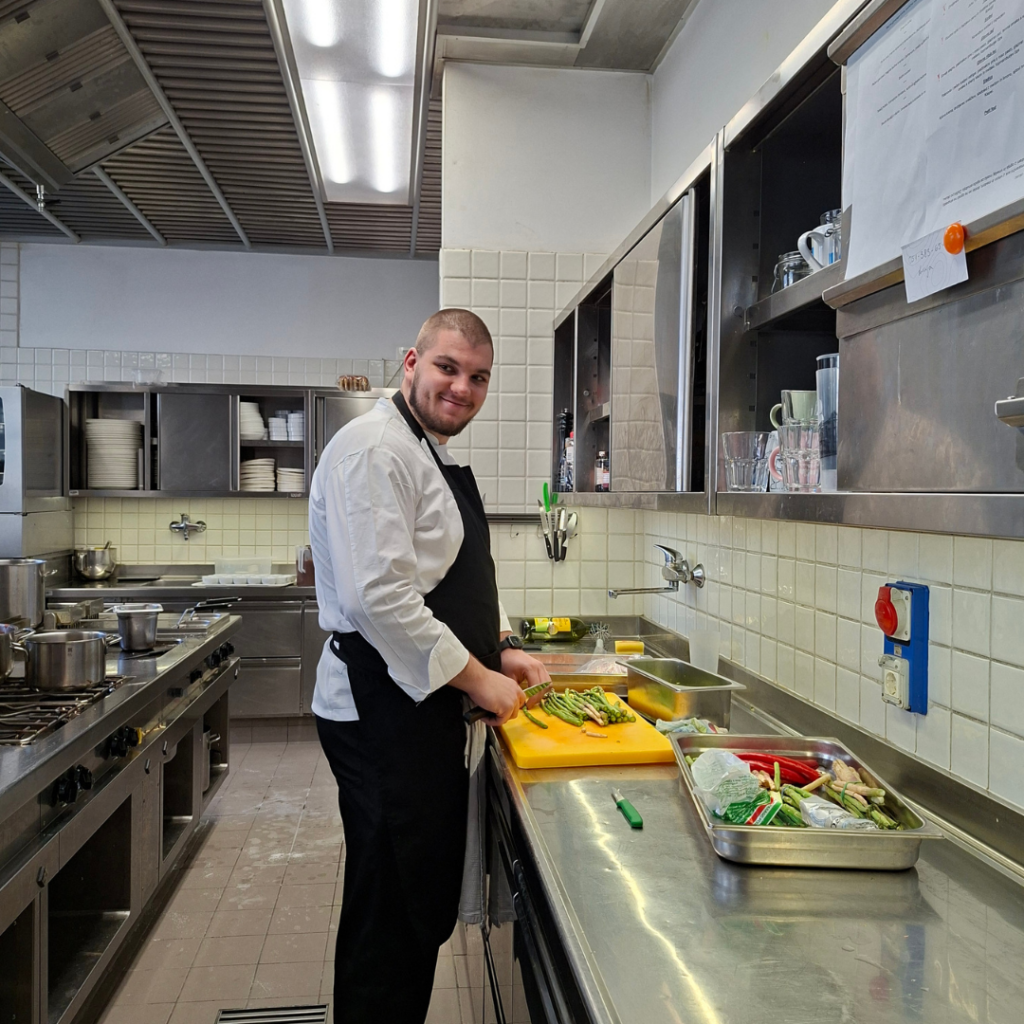
Students Nikola Živadinović and Milana Perišić emphasize that everyday learning through various educational and practical activities was one of the most valuable experiences during their stay in Slovenia. Nikola points out that working and exchanging experiences with people from a different system opened a new perspective on the profession and the importance of continuous professional development:
“When I left, I wasn’t even aware of how much an Erasmus+ mobility could change a person. Only after returning did I realize how much I had learned — not only about the kitchen and the profession, but also about myself. I worked with people from a different system, learned new techniques, and saw how important continuous improvement truly is. It is an experience I would recommend to everyone.”
Student Milana especially emphasized the importance of professional communication and guest relations that she had the opportunity to experience during the mobility.
In addition to professional development, the mobility also brought significant personal growth to the students. Through their stay in a new environment, they developed greater independence, responsibility, and adaptability. They were particularly impressed by the kindness of the people, the high level of organization and environmental awareness, as well as the culture of mutual support they experienced during their stay in Slovenia. In their free time, they explored Ljubljana, Bled, Maribor, and other cities, while also socializing with mentors, professors, and students from different countries.
A particularly valuable experience for our students during the mobility was their participation in the activities of the “Teden restavracij” event, where they had the opportunity to familiarize themselves with contemporary gastronomic trends, restaurant business organization, and the promotion of hospitality in an international environment.
The international mobility experience further motivated them toward professional development and strengthened their self-confidence. Nikola and Milana believe that Erasmus+ mobility offers much more than acquiring professional knowledge — it represents an opportunity to broaden horizons, explore new cultures, gain valuable experiences, and develop professional and personal skills that will be highly beneficial in their future careers.
At the same institution, Jelena Krneta, Marketing Department Coordinator at ICEPS, participated in an Erasmus+ mobility for non-teaching staff, which was implemented on March 16 and 17, 2026. During the two-day visit to the partner institution BIC Ljubljana, she had the opportunity to learn about innovative approaches to connecting education, hospitality, and marketing, as well as contemporary models for promoting gastronomic and tourism-related content.
As part of the mobility, a visit to Restaurant Kult316 was also organized, showcasing the integration of education and professional hospitality business operations. During meetings with the restaurant management and representatives of the tourism sector, discussions focused on work organization, partnership development, and the importance of practical training in educating future hospitality professionals.
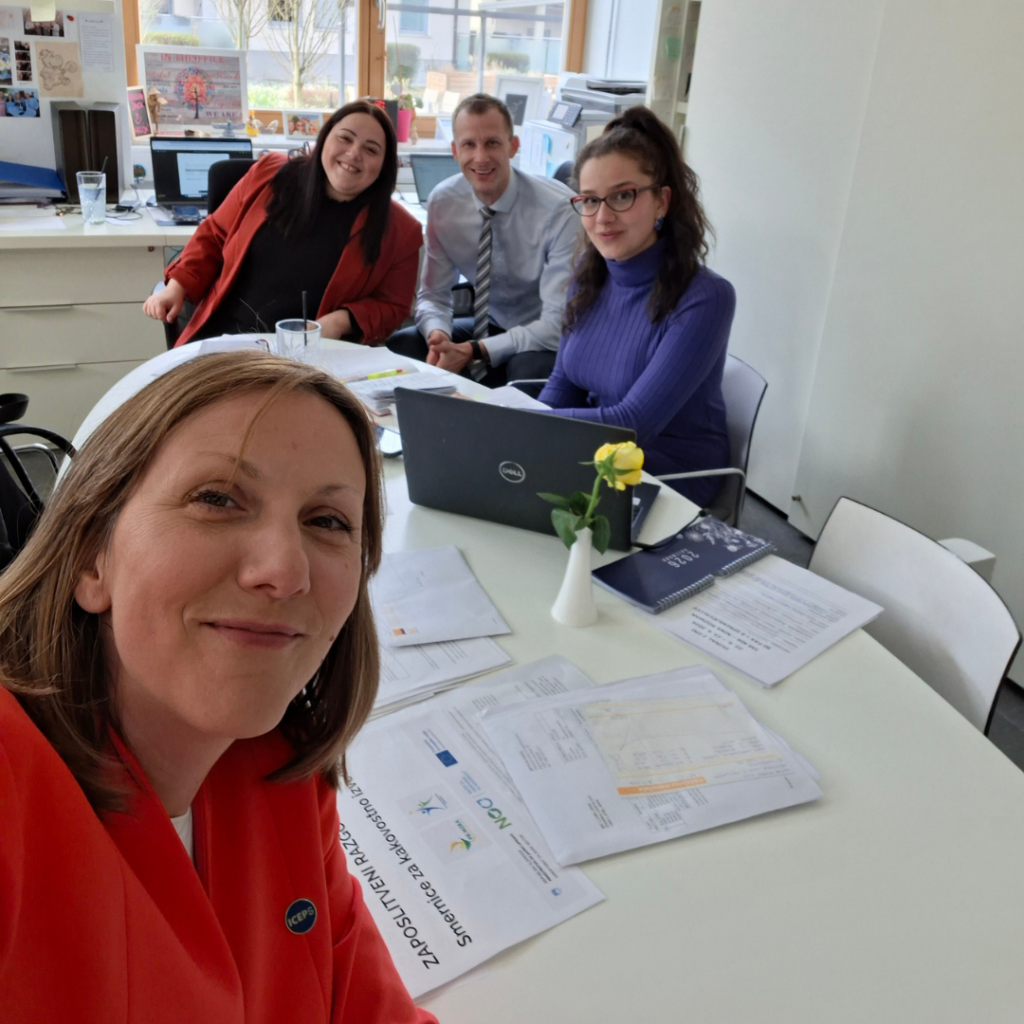
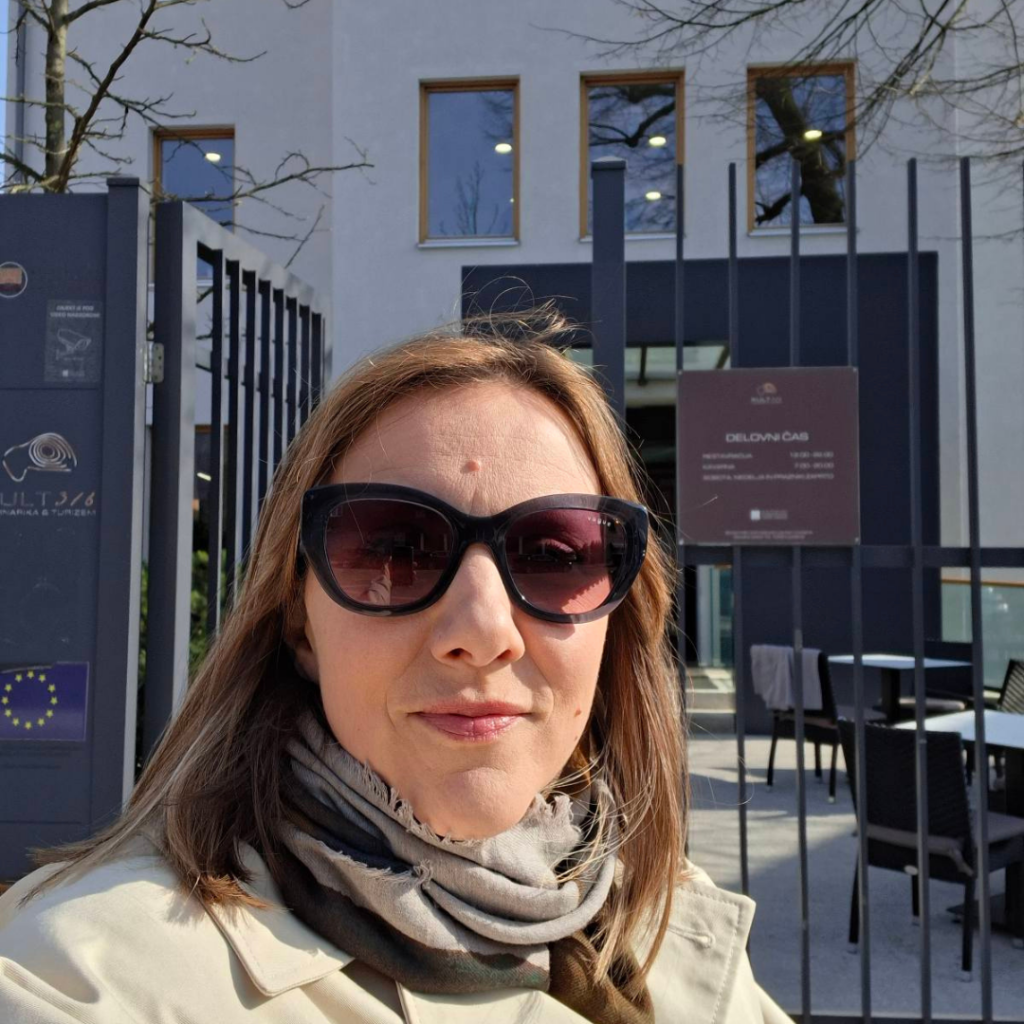
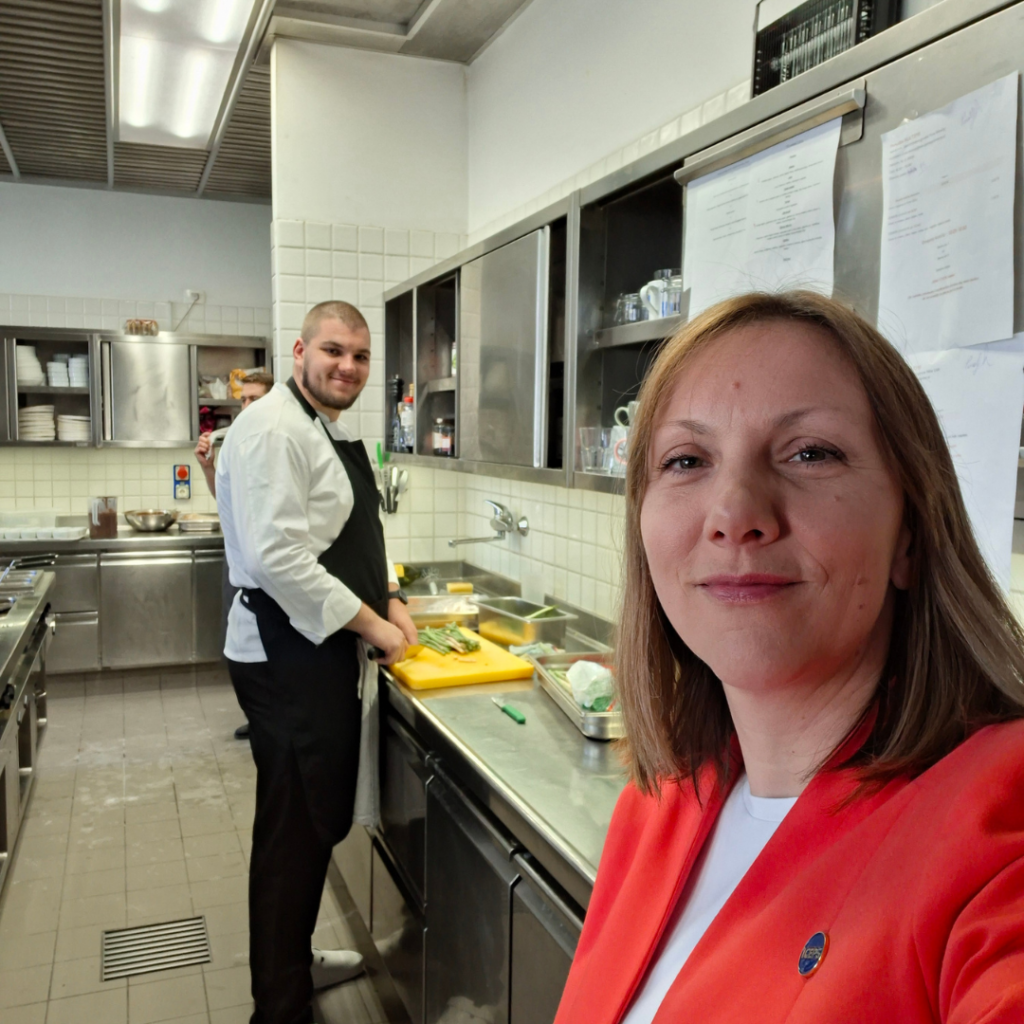
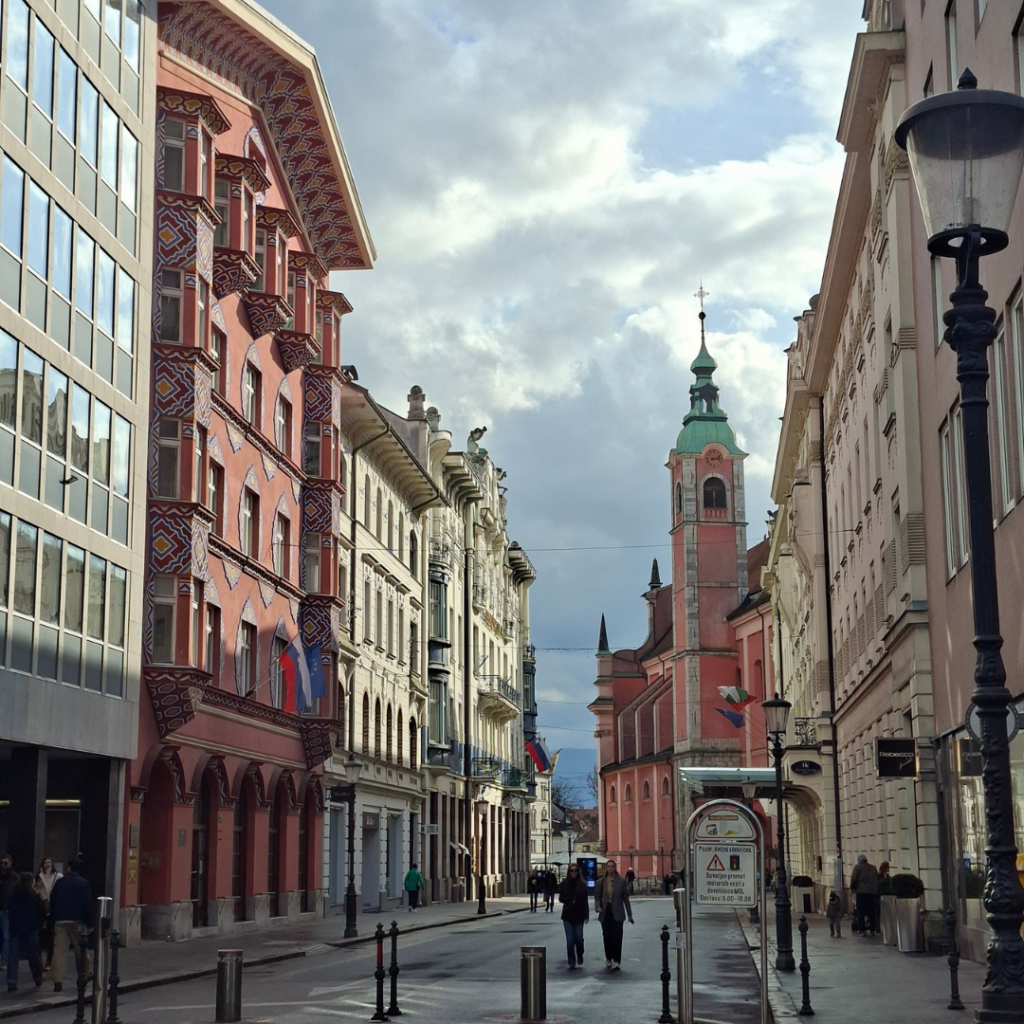
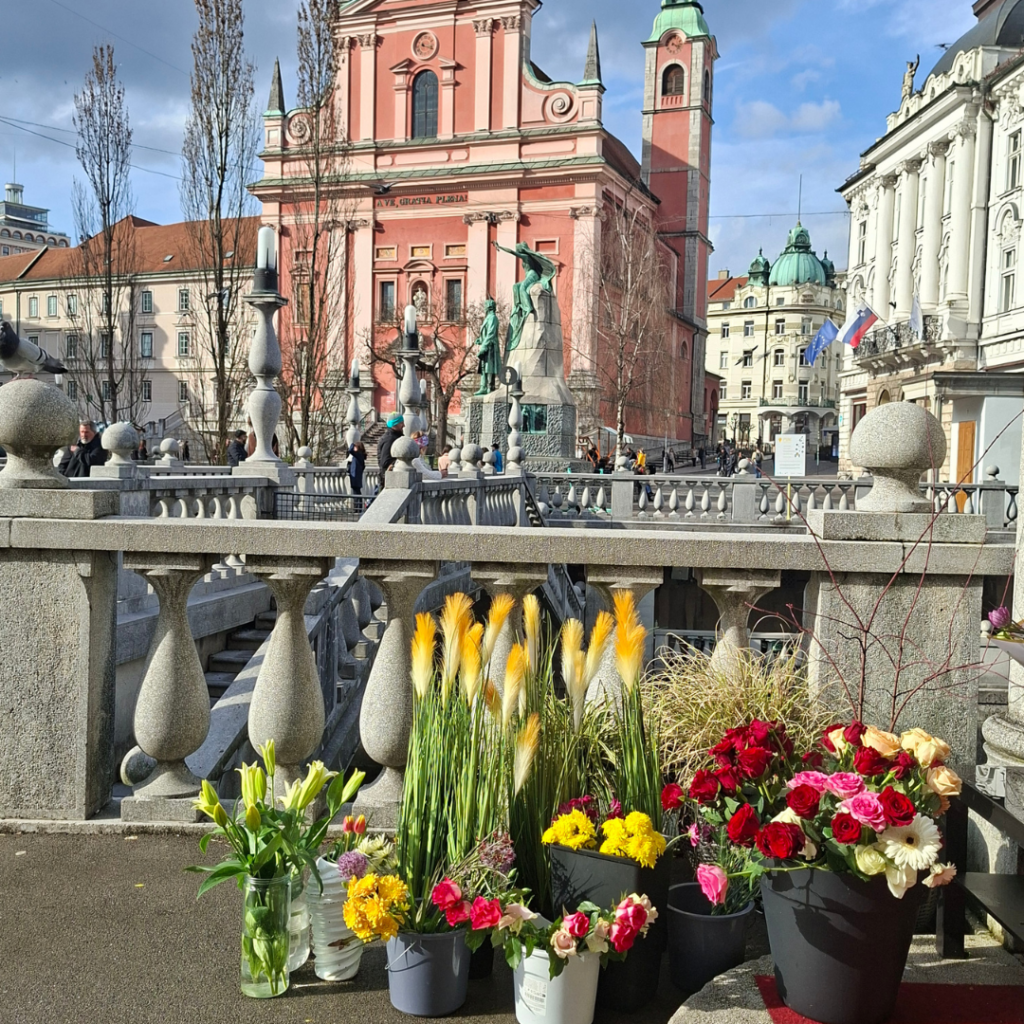
An important segment of the mobility was participation in the activities of the aforementioned “Teden restavracij” event, through which Jelena Krneta gained insight into the organization and promotion of major gastronomic events, as well as methods of connecting tourism, hospitality, and modern marketing strategies. During the visit, she also toured other facilities of the institution, including bakery and confectionery training centers, the Primula tea house, and newly established educational spaces.
An important aspect of the mobility also related to the exchange of experiences in the field of digital marketing and public relations. During meetings with the marketing and PR coordinator, discussions covered branding strategies, social media communication, and the promotion of educational and hospitality-related content through modern digital channels.
The mobility contributed to the enhancement of professional competencies in the field of marketing, the strengthening of international cooperation, and the exchange of examples of good practice in education and hospitality promotion. Of particular importance was the opportunity to become familiar with different working models and develop new ideas that could contribute to the further improvement of international cooperation and the promotion of educational activities at ICEPS.
Such mobilities enable students and staff to acquire new knowledge, exchange experiences, and develop competencies important for further professional growth. The experiences of our hospitality students and our colleague Jelena Krneta from the Marketing Department confirm the importance of the Erasmus+ program in improving the quality of education, strengthening international partnerships, and encouraging openness toward modern trends in the field of hospitality.

Funded by the European Union. Views and opinions expressed are however those of the author(s) only and do not necessarily reflect those of the European Union or the National Agency. Neither the European Union nor National Agency can be held responsible for them.
[SRB] Finansirano sredstvima Evropske unije. Izražena stanovišta predstavljaju isključivo stanovišta autora i ne odražavaju nužno stavove Evropske unije ili Fondacije Tempus. Ni pod kojim uslovima se Evropska unija ni davalac namenskih bespovratnih sredstava ne mogu smatrati odgovornima za njihovu sadržinu.